


 Leader Board
What Is Paper Trading? A Complete Guide for Beginners Comparing Futures vs Options
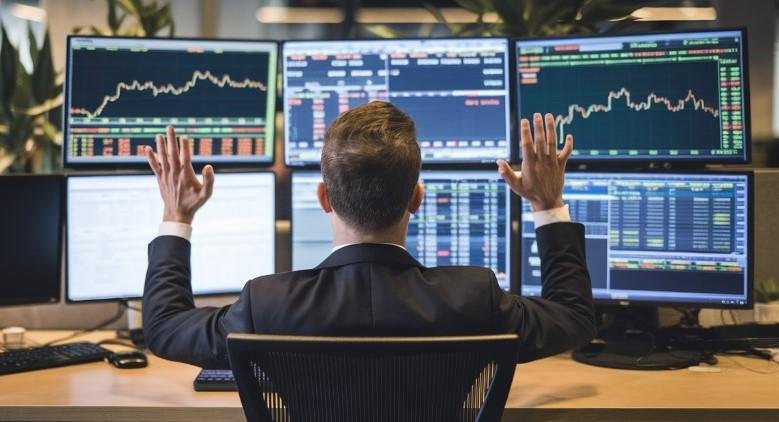
Paper trading has become one of the most powerful tools for beginners who want to learn how financial markets work without putting real money at risk. Whether you are planning to trade stocks, forex, futures, or options, paper trading allows you to practice strategies, develop confidence, and understand market behavior in real time. Many beginners ask, “What is paper trading?” and how it can help them start their trading journey. In simple terms, paper trading is simulated trading, where you place trades using virtual money. To understand this concept in detail, you can explore this comprehensive guide on What Is Paper Trading .
In this detailed guide, we will explain everything about paper trading: how it works, its benefits, mistakes to avoid, and how it compares with real trading. We will also discuss one of the most common confusions for beginners: trading futures vs options, and how paper trading can help you decide which one suits your style.
What Is Paper Trading?
Paper trading refers to practicing trading without using actual money. Instead of real capital, you use a simulated account provided by broker platforms or prop firms to place mock trades. It replicates real market conditions, price movements, and order execution, giving beginner traders hands-on experience without any financial risk.
The main purpose of paper trading is to help new traders:
-
Learn market basics
-
Practice technical analysis
-
Test different strategies
-
Develop risk-management skills
-
Build emotional discipline
Since there is no real money involved, the pressure and fear of losing money are removed, allowing beginners to learn freely.
How Does Paper Trading Work?
Most online trading platforms provide a paper trading feature, often called:
-
Demo Account
-
Virtual Trading
-
Simulation Mode
-
Practice Trading
Here’s how it works:
-
The platform assigns you virtual money (e.g., $10,000 or $100,000).
-
You place buy or sell orders in a real-time market environment.
-
Your trades are executed based on live price data.
-
Your virtual balance increases or decreases depending on your trading results.
This experience mirrors real trading but without financial consequences.
Benefits of Paper Trading for Beginners
1. Zero Financial Risk
You can learn trading, test strategies, and explore different markets without losing real money. This makes it ideal for beginners.
2. Understand Market Mechanics
From placing orders to reading charts, paper trading helps users understand how markets work in real time.
3. Build Emotional Discipline
Emotions like fear and greed often impact real trading decisions. Paper trading allows beginners to practice controlling their emotions before entering live markets.
4. Test Unlimited Strategies
Want to test scalping, day trading, swing trading, or long-term investing? Paper trading lets you test them all safely.
5. Become Familiar with Trading Platforms
Beginners can learn how to use indicators, charts, order types, and risk tools before switching to live trading.
Paper Trading vs. Real Trading
While paper trading is extremely beneficial, there are key differences between paper and real trading:
| Feature | Paper Trading | Real Trading |
|---|---|---|
| Money | Virtual | Real |
| Risk | Zero | High |
| Emotion | Low | High |
| Slippage | No | Possible |
| Liquidity impact | None | Yes |
| Execution delays | Rare | Common |
Key Takeaway
Paper trading builds confidence and skill, but real trading introduces psychological pressure. So, traders should gradually move from paper to real trading.
Who Should Use Paper Trading?
Paper trading is ideal for:
-
Beginners learning market basics
-
Intermediate traders testing new systems
-
Experienced traders optimizing strategies
-
Traders switching from stocks to futures or options
-
Anyone practicing risk management
Even professional traders return to paper trading whenever they want to refine or test a new approach.
Using Paper Trading to Learn Futures vs Options Trading
One of the biggest questions new traders ask is:
“Should I trade futures or options?”
Both are advanced financial instruments used globally, but they differ significantly in risk, complexity, and capital requirements.
Paper trading helps you understand both without risk.
Let’s break them down:
What Are Futures?
Futures are contracts where you agree to buy or sell an asset at a fixed price at a future date. They are widely used for trading commodities, indexes, and currencies.
Pros of Futures
-
High liquidity
-
Transparent pricing
-
Simple pricing mechanism
-
Lower margin requirements
-
Suitable for day traders
Cons of Futures
-
Higher risk due to leverage
-
Fast price movements
-
No flexibility in expiration like options
What Are Options?
Options give traders the right — but not the obligation — to buy or sell an asset at a certain price before expiration.
Pros of Options
-
Lower capital required
-
Strategies for bullish, bearish, or neutral markets
-
Limited risk when buying options
-
Flexible strategies such as spreads
Cons of Options
-
More complex
-
Time decay reduces value
-
Pricing depends on volatility and Greeks
Futures vs Options: Key Differences
| Feature | Futures | Options |
|---|---|---|
| Risk | Higher | Can be lower |
| Capital | Higher | Lower |
| Complexity | Medium | High |
| Expiry | Mandatory | Optional |
| Price impact | Direct | Influenced by time & volatility |
How Paper Trading Helps You Decide
Paper trading futures and options helps you:
-
Learn how each market moves
-
Practice strategies without fear
-
See which style matches your psychology
-
Understand margin requirements
-
Test both long and short positions
-
Compare profits and losses without real risk
Many traders start paper trading futures and options before choosing one for real money.
Common Mistakes to Avoid in Paper Trading
1. Ignoring Risk Management
Beginners often take oversized positions because there’s no real risk. This creates unrealistic expectations.
2. Not Recording Trades
Keeping a journal of trades helps you evaluate your performance.
3. Overtrading
Since the money isn’t real, traders often trade too frequently. This does not reflect real trading discipline.
4. Not Transitioning to Real Trading
Paper trading is a learning tool, not a permanent environment. Move to small real-money trades when ready.
How to Transition from Paper Trading to Real Trading
-
Test your strategy for at least 30 days
-
Track your win rate, risk-to-reward ratio, and emotional discipline
-
Start real trading with small position sizes
-
Avoid over-leveraging
-
Keep improving through practice and study
Final Words: Master Your Strategy Before Trading Live
Article is about trading futures vs options Paper trading is the safest and smartest way to enter the world of financial markets. It helps you build confidence, understand the market’s behavior, and choose between futures and options based on your comfort and skills. While simulated trading cannot replace real emotions, it is an essential first step in becoming a successful trader.

 Arabic
 French
 Spanish
 Portuguese
 Deutsch
 Turkish
 Dutch
Dutch
 Italiano
 Russian
 Romaian
 Portuguese (Brazil)
 Greek
Greek