


 Leader Board
How to Prevent Liver Abscesses After Travel?
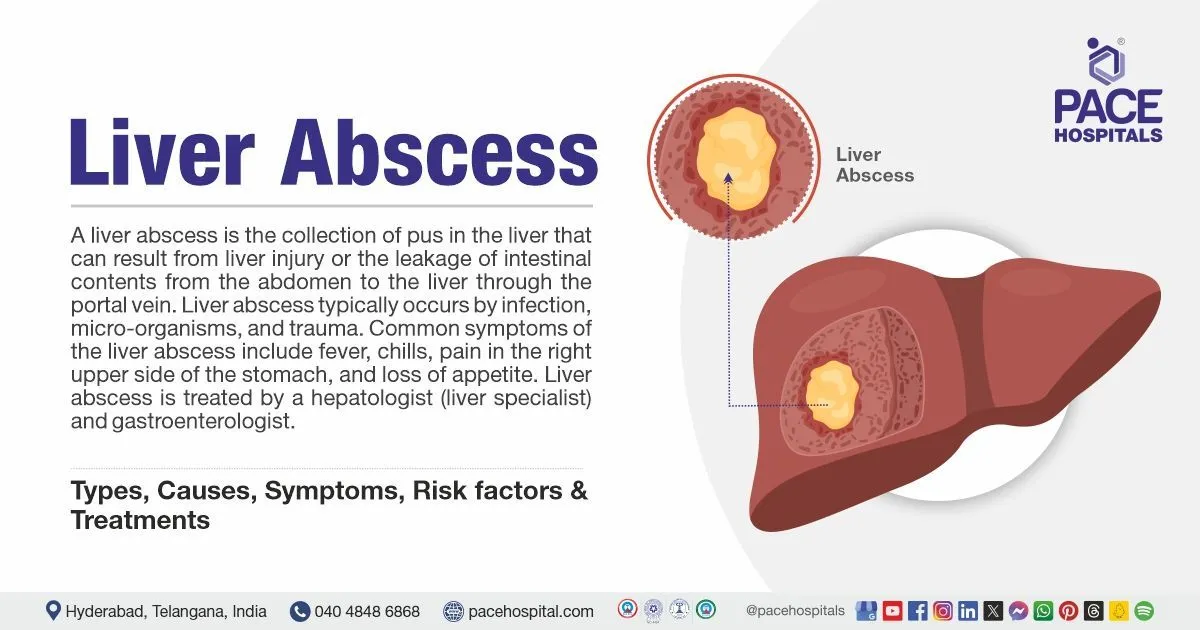
Travel to tropical and subtropical regions offers remarkable cultural, culinary, and outdoor experiences, but it also exposes travelers to infectious diseases that are uncommon in many developed countries. Among these, liver abscesses particularly amoebic and pyogenic liver abscesses are important to understand and prevent.
A liver abscess is a localized collection of pus in the liver, typically caused by parasites (such as Entamoeba histolytica), bacteria that reach the liver from the gastrointestinal tract, or, less commonly, fungal infections. While most liver abscesses are treatable, they can become severe if not recognized early, so prevention during and after travel is essential.
Below is a comprehensive guide on how to reduce your risk of developing a liver abscess after travel, how to monitor yourself when you return, and what habits help protect your long-term liver health.
1. Understand the Main Causes of Liver Abscesses
Before focusing on prevention, it helps to know what causes liver abscesses in travelers:
Amoebic Liver Abscess
-
Caused by the parasite Entamoeba histolytica.
-
Common in India, Mexico, Central and South America, Africa, and Southeast Asia.
-
Contracted by consuming contaminated food or water.
Pyogenic Liver Abscess
-
Caused by bacteria, usually from the intestine, bile ducts, bloodstream, or abdominal infections.
-
Risk increases with gallstones, diabetes, appendicitis, or cholangitis.
Understanding these helps you avoid the environmental exposures that lead to infection.
2. Practice Safe Food and Water Habits While Traveling
Because many liver abscesses stem from infections acquired through contaminated food or water, strict adherence to food-safety rules is the most important prevention method.
Water Safety Tips
-
Drink only bottled or factory-sealed water.
-
Avoid tap water, fountain drinks, ice cubes, and unpasteurized beverages.
-
Use clean, boiled, or filtered water for brushing your teeth.
Food Safety Tips
-
Choose foods that are thoroughly cooked and served hot.
-
Avoid raw fruits and vegetables unless you wash and peel them yourself.
-
Avoid salads, raw seafood, and undercooked meat.
-
Prefer busy restaurants where food turnover is high.
These precautions dramatically reduce exposure to E. histolytica and harmful bacteria.
3. Maintain Good Hand Hygiene
Hand hygiene is a simple but powerful protective habit.
-
Wash your hands with soap and safe water before eating and after using the restroom.
-
Carry alcohol-based sanitizers for situations where sinks are unavailable.
-
Avoid touching your face, especially while exploring markets, public transit, and outdoor recreational areas.
Consistent hygiene reduces the risk of ingesting infectious organisms.
4. Prevent Traveler’s Diarrhea A Major Risk Factor
Traveler’s diarrhea increases the likelihood of intestinal infections crossing into the bloodstream, leading to potential liver complications.
To reduce your risk:
-
Follow safe food and water guidelines strictly.
-
Consider carrying oral rehydration salts.
-
Pack basic antidiarrheal medications recommended by a clinician.
-
Seek medical care if diarrhea is severe, persistent, or bloody.
Not all cases of traveler’s diarrhea lead to liver abscesses, but avoiding GI infections keeps your risk low.
5. Avoid High-Risk Behaviors During Travel
Some behaviors increase the risk of bacterial infections that may spread to the liver:
-
Avoid swimming in contaminated lakes or canals where parasitic infections are common.
-
Practice safe sex; some sexually transmitted infections can predispose the body to systemic infections.
-
Avoid consuming street food in areas where hygiene is visibly poor.
-
If you have underlying conditions like diabetes or gallbladder disease, take extra precautions, as these increase vulnerability.
6. Monitor for Symptoms After Travel
A liver abscess may develop weeks even months after returning home. Early recognition leads to easier treatment.
Seek medical attention if you recently traveled and experience:
-
Persistent fever or chills
-
Upper-right abdominal pain
-
Loss of appetite
-
Fatigue or weakness
-
Nausea or vomiting
-
Unexplained weight loss
-
Jaundice (yellowing skin/eyes)
Do not ignore symptoms; liver abscesses can be dangerous if not treated promptly.
7. Get a Prompt Medical Evaluation if Symptoms Arise
If you experience symptoms after travel, a healthcare provider may order:
-
Blood tests (including liver enzymes)
-
Stool examination for parasites
-
Ultrasound or CT scan of the liver
-
Serologic testing for Entamoeba histolytica
Liver abscesses amoebic or pyogenic are treatable with medications such as antibiotics, anti-parasitics, or drainage procedures depending on severity.
8. Post-Travel Prevention and Self-Care
Even after returning home, you can take steps to support liver health and further reduce risks:
Hydrate and Maintain Good Nutrition
A strong immune system helps your liver recover from minor exposures acquired during travel.
Limit Alcohol
Alcohol stresses the liver and can make infections harder to detect.
Follow Up if You Had Gastrointestinal Illness Abroad
If you experienced diarrhea, pain, or fever during your trip, consider a post-travel medical evaluation.
Be Cautious with Self-Medication
Though anti-parasitic medications are available in many regions, they should only be used under professional guidance. Some travelers search for terms like mebendazole wholesale when planning to buy anti-parasitic medicines; however, preventing a liver abscess requires correct diagnosis first, and mebendazole is not the standard treatment for amoebic liver abscess. Always consult a medical professional before using antiparasitic agents.
9. Vaccinations and Prophylaxis
While there is no routine vaccine specifically for preventing liver abscesses, some travel vaccinations indirectly reduce risks by preventing infections that can lead to hepatic complications.
Recommended vaccinations for at-risk regions include:
-
Hepatitis A vaccine
-
Typhoid vaccine
-
Routine boosters (tetanus, diphtheria, polio)
Antibiotic or antiparasitic prophylaxis is generally not recommended for liver abscess prevention because it can mask symptoms and contribute to antimicrobial resistance.
10. Final Tips for Staying Healthy After Travel
-
Stay informed about health risks in your travel destination before your trip.
-
Bring a medical kit tailored to the region you’re visiting.
-
Schedule a post-travel checkup if you visited high-risk areas or experienced gastrointestinal issues.
-
Prioritize rest and recovery when you return.
Conclusion
Preventing liver abscesses after travel involves a combination of safe eating and drinking habits, good hygiene, awareness of regional risks, and monitoring for symptoms after returning home. While liver abscesses are treatable, prevention is far easier and far safer than cure. Whether you’re a frequent traveler, a backpacker, or someone visiting family abroad, taking these precautions will significantly reduce your risk.
If symptoms arise, do not delay seeking medical care. Early diagnosis leads to faster recovery and protects your long-term liver health.

 English
 Arabic
 French
 Spanish
 Portuguese
 Deutsch
 Turkish
 Dutch
Dutch
 Italiano
 Russian
 Romaian
 Portuguese (Brazil)