


 Leader Board
Mixing Textures: How to Add Depth and Interest to Any Room
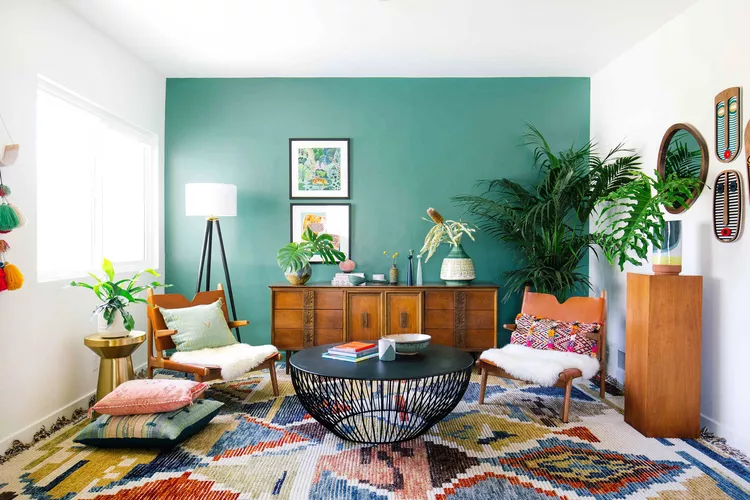
In the world of interior design, texture is often the unsung hero that can transform a space from flat and mundane to dynamic and inviting. While color and pattern typically steal the spotlight, it's the tactile quality of textures that adds depth and interest to any room. By skillfully mixing different textures, you can create a layered, cohesive look that appeals to the senses and elevates your home decor. This guide will explore the art of texture mixing, offering practical tips and home decor ideas to help you master this essential design technique. Whether you're revamping a single room or overhauling your entire home, understanding how to blend textures can turn ordinary spaces into extraordinary sanctuaries.
Why Texture Matters in Home Decor
Texture refers to the surface quality of materials, how they feel to the touch, and how they interact with light. It plays a crucial role in creating visual weight, balance, and harmony in a room. Without texture, spaces can feel sterile and uninteresting, no matter how beautiful the color scheme. Incorporating a variety of textures adds dimension, making rooms feel more lived-in and comfortable. Texture engages multiple senses, inviting people to touch and experience the environment, which fosters a deeper connection to the space. From the roughness of a brick wall to the smoothness of a glass table, each texture contributes to the overall narrative of a room, enhancing its character and appeal.
The Psychology of Texture
Textures evoke emotional responses, influencing how we perceive and feel within a space. Soft, plush textures like velvet or faux fur can create a sense of warmth and coziness, while smooth, cool textures like marble or glass impart a sleek, modern feel. By understanding the psychological impact of textures, you can curate a space that not only looks good but also feels aligned with the desired ambiance. For example, in a bedroom, you might prioritize soft textures to promote relaxation, whereas in a home office, you might mix in harder textures to foster focus and productivity. The tactile experience of texture can even reduce stress, making it a vital element in creating holistic living environments.
Texture vs. Color: Balancing Elements
While color sets the mood, texture adds depth, and balancing both is key to a successful design. A monochromatic color palette can be brought to life with a mix of textures, preventing it from falling flat. Conversely, a vibrant color scheme can be grounded with neutral textures to maintain visual calm. The key is to let textures complement colors, creating a rich, layered effect. For instance, in a room with bold hues, introducing natural textures like wood or woven baskets can soften the intensity, while in a neutral space, glossy or metallic textures can add sparkle without overwhelming. This balance ensures that neither element dominates, resulting in a harmonious and inviting room.
Key Textures to Incorporate
To effectively mix textures, it's helpful to understand the main categories. Here are some key textures to consider for your home decor, each offering unique qualities that contribute to depth and interest. By incorporating a range of these textures, you can create a dynamic and engaging environment that feels both curated and comfortable.
Natural Textures: Wood, Stone, and Plants
Natural textures bring an organic, earthy feel to interiors, connecting indoor spaces with the outdoors. Wood, with its grain variations, adds warmth and character, whether used in flooring, furniture, or accents. Stone, such as marble or slate, introduces a rugged, timeless quality that can serve as a focal point in kitchens or bathrooms. Plants are another excellent way to incorporate texture; their leaves and stems provide soft, living elements that enhance air quality and aesthetics. Mixing natural textures with man-made materials creates a balanced look that feels both grounded and refined, ideal for achieving a biophilic design that promotes well-being.
Soft Textures: Fabrics and Rugs
Soft textures are essential for comfort and coziness, making spaces feel welcoming and inviting. Think of plush carpets, knitted throws, velvet cushions, and linen curtains. These elements invite touch and add a layer of softness that hard surfaces lack. Rugs, in particular, are a versatile tool for adding texture; a shag rug can define a seating area with its tactile appeal, while a flat-weave rug offers a subtle, understated texture. Layering different fabrics, such as pairing silk with cotton or wool with faux fur, can create a rich sensory experience that enhances the overall comfort of a room, especially in living areas and bedrooms.
Hard Textures: Metals and Glass
Hard textures provide contrast and sophistication, adding structure and reflectivity to a space. Metals like brass, copper, or iron can be used in lighting fixtures, furniture legs, or decorative accents to add shine and durability. Glass, through tabletops or mirrors, introduces a smooth, reflective surface that lightens the space and creates an illusion of openness. Balancing hard textures with softer ones prevents a room from feeling too cold or industrial. For example, combining a metal frame sofa with plush cushions or a glass coffee table with a wool rug can achieve a modern yet cozy aesthetic, highlighting the interplay between different material qualities.
Practical Tips for Mixing Textures
Now that you know the key textures, here are some practical tips for mixing them effectively. These strategies will help you create a cohesive and visually interesting room without overwhelming the senses. By following these guidelines, you can confidently experiment with texture combinations to achieve a personalized and stylish home decor.
Start with a Base Texture
Begin by choosing a dominant texture that will serve as the foundation for the room. This could be a large element like a wooden floor, a stone fireplace, or a major furniture piece like a fabric sofa. The base texture sets the tone and ensures cohesion, providing a starting point for layering. From there, you can add secondary and accent textures that complement the base. For instance, if you have a smooth, polished concrete floor, you might introduce rough textiles like burlap or chunky knits to create contrast and warmth, establishing a balanced foundation for further design elements.
Layer Different Textures
Layering is the heart of texture mixing, allowing you to build depth and complexity over time. Add textures through accessories, furniture, and textiles, ensuring each layer contributes to the overall aesthetic. For instance, on a leather sofa, drape a chunky knit blanket and add silk cushions. Layer a jute rug over a hardwood floor and top it with a soft wool rug. The goal is to create a tactile experience that draws the eye around the room, encouraging exploration and engagement. Don’t forget vertical layers, such as textured wall coverings or drapery, which can add height and dimension to the space.
Use Contrast to Create Interest
Contrast is key to making textures stand out, as it highlights their unique qualities and prevents monotony. Pair rough with smooth, matte with glossy, and heavy with light. For example, combine a rough brick wall with a sleek metal shelf, or a glossy ceramic vase with a matte wooden table. Contrasting textures not only add visual interest but also create a dynamic rhythm within the room. You can also play with scale by mixing large-scale textures, like a coarse woven basket, with fine textures, such as a delicate lace curtain, to achieve a balanced and intriguing composition.
Home Decor Ideas for Texture Mixing
Here are some home decor ideas to inspire your texture mixing journey. These ideas can be adapted to various rooms in your house, offering practical examples of how to apply texture principles in real-world settings. By implementing these suggestions, you can transform ordinary spaces into rich, multi-sensory environments that reflect your personal style.
Living Room Texture Ideas
In the living room, create a cozy yet elegant space by mixing a velvet sofa with a linen armchair. Add a wool rug for softness underfoot and incorporate wooden coffee tables and metal lamp bases. Use throw pillows in various fabrics like cotton, faux fur, and embroidery to enhance the tactile appeal. Don't forget to include plants for a touch of natural texture, and consider textured wall art or shelves to add vertical interest. This approach balances comfort with sophistication, making the living room a welcoming hub for relaxation and socializing, full of depth and character.
Bedroom Texture Ideas
For the bedroom, focus on comfort and serenity. Start with a padded headboard in fabric or leather, then layer with cotton sheets, a quilted blanket, and a cashmere throw. Use a plush rug beside the bed and incorporate wooden nightstands with ceramic lamps. Curtains in a heavy fabric like velvet can add drama, while sheer layers soften light. These home decor ideas ensure a restful and inviting retreat, where textures promote relaxation and style. Adding elements like a woven basket for storage or a silk pillowcase can further enrich the texture mix, creating a personalized sanctuary.
Common Mistakes to Avoid
While mixing textures, it's easy to go overboard or misstep. Here are some common pitfalls to steer clear of, ensuring your design remains cohesive and intentional. By avoiding these errors, you can maintain harmony and achieve the desired effect of depth and interest without clutter or confusion.
Overloading with Textures
Too many textures can make a room feel chaotic and disjointed, overwhelming the senses and detracting from the overall design. Stick to a limited palette of textures—around three to five per room—to maintain harmony. Ensure that each texture has a purpose and contributes to the overall theme. For example, if you have a busy patterned wallpaper, opt for simpler textures in furnishings to avoid visual competition. Editing your texture selections carefully will create a curated look that feels deliberate and polished.
Ignoring Scale and Proportion
Texture also relates to scale, and ignoring this can lead to imbalance. Large textures, like a chunky knit blanket, can overwhelm a small room, while small textures, like a fine weave, might get lost in a large space. Balance textures by considering the size of the room and the furniture. Mix textures of varying scales to create a balanced look, such as pairing a large, rough stone accent wall with smaller, smooth metal details. Proportional texture mixing ensures that each element complements the others, enhancing the room's overall aesthetic.
Conclusion
Mixing textures is a powerful way to add depth and interest to any room, transforming flat spaces into layered, sensory-rich environments. By understanding the role of texture, incorporating key types, and following practical tips, you can elevate your home decor with confidence. Remember to start with a base, layer thoughtfully, and use contrast to highlight differences, while avoiding common mistakes like overloading or ignoring scale. With these home decor ideas, you can experiment creatively, ensuring each room feels both visually appealing and comfortably inviting. Embrace the tactile diversity of textures, and watch your living spaces come to life with newfound dimension and character.

 Arabic
 French
 Spanish
 Portuguese
 Deutsch
 Turkish
 Dutch
Dutch
 Italiano
 Russian
 Romaian
 Portuguese (Brazil)
 Greek
Greek