


 Leader Board
How BIM Architecture Is Redefining the Future of Building Design
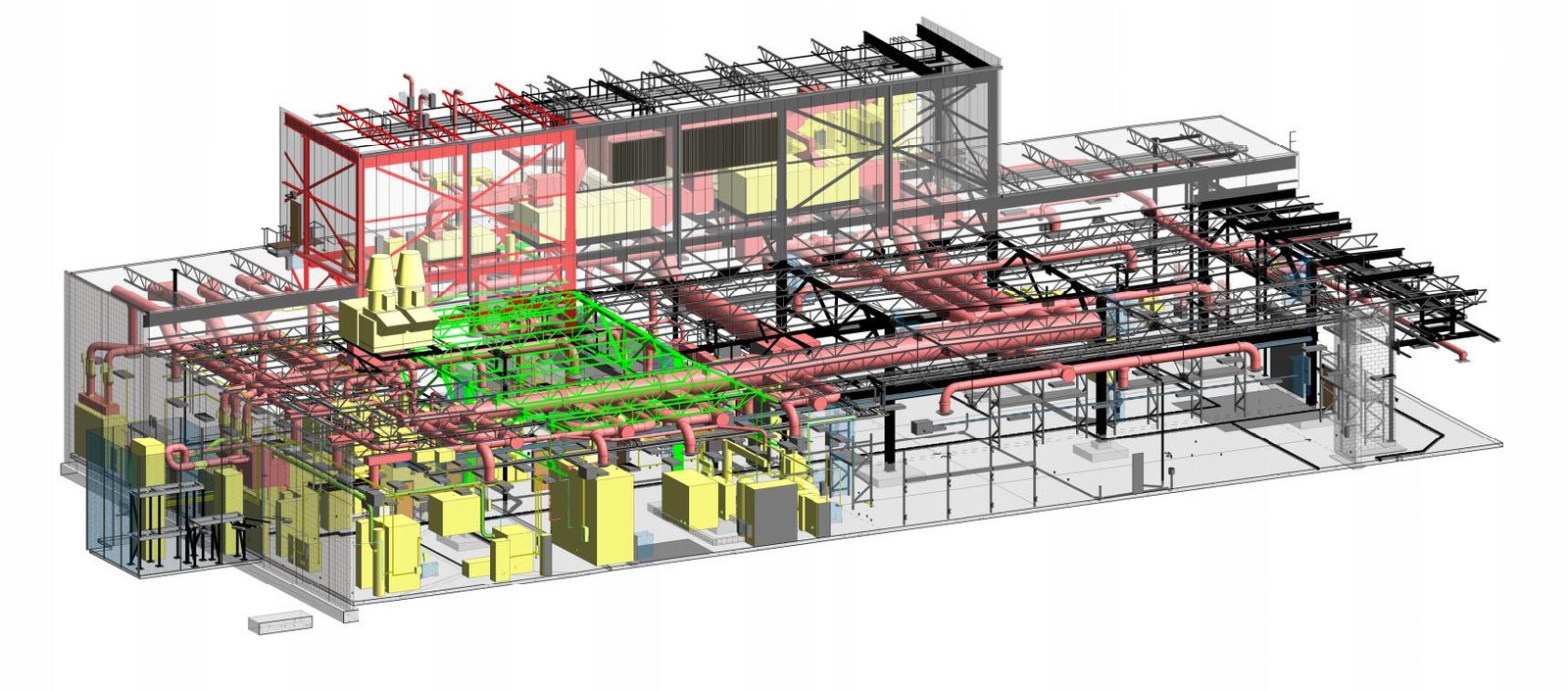
In recent years, Dubai has become a global symbol of visionary architecture, futuristic skylines, and projects that push the boundaries of engineering and design. From the world’s tallest towers to artificial islands that reshape maps, Dubai has always embraced new technologies that help turn bold ideas into reality. Among these innovations, BIM architecture has emerged as one of the most powerful tools reshaping how cities like Dubai design, build, and manage their buildings. As the construction market becomes more competitive and fast-paced, BIM is proving to be not just useful but essential for delivering complex projects with high efficiency, precision, and long-term sustainability.
This article explores how BIM architecture is redefining the future of building design, focusing specifically on the architectural landscape of Dubai. It also highlights how companies like bimconnect.ae are helping architects, developers, and contractors adopt BIM processes to unlock new levels of productivity and innovation.
The Rise of BIM Architecture in Dubai
Dubai’s construction industry is known for its speed, ambition, and constant pursuit of excellence. But these strengths also come with challenges: high project complexity, tight deadlines, increasing sustainability standards, and the need for long-term building management. This is where BIM architecture fits perfectly into Dubai’s vision.
BIM, or Building Information Modeling, is far more than just 3D modeling. It is a digital process that connects design, documentation, simulation, and facility management into one unified platform. For architects working in Dubai, this means a more accurate, collaborative, and efficient way to design both iconic structures and everyday buildings that support the city’s growth.
As government authorities such as Dubai Municipality encourage or mandate BIM for major projects, the adoption of BIM has increased rapidly. Today, it is becoming the standard approach for consultants, contractors, and developers who want to stay ahead in the market.
Understanding What Makes BIM Architecture Different
Traditional architectural design relies heavily on 2D drawings and disconnected documents. Any change in design creates a ripple effect: plans need updates, sections must be adjusted, details revised, and all teams notified. This process is slow, prone to errors, and difficult to coordinate—especially in large-scale projects.
BIM architecture changes this entirely.
Every element in a BIM model is connected. When an architect adjusts a wall, the change instantly reflects in elevations, sections, schedules, and even material quantities. This ensures consistency and reduces human error. It also enhances collaboration because all stakeholders—architects, structural engineers, MEP teams, contractors—work on a single digital environment rather than separate, unlinked files.
For Dubai, where most projects involve multidisciplinary teams from different countries, BIM becomes a universal language that keeps everyone aligned.
How BIM Architecture Is Transforming Design Quality
One of the greatest strengths of BIM architecture is that it enables designers to visualize a building long before construction begins. Architects can explore different shapes, materials, and layouts with ease. They can quickly test ideas, compare concepts, and move forward with the most efficient and aesthetically pleasing solutions.
For a city like Dubai, which celebrates architectural creativity, this empowers architects to design innovative buildings while maintaining practicality.
Through BIM models, designers can simulate how sunlight interacts with a building, how wind affects facades, how interior spaces feel at different times of day, and how building systems operate in real life. These insights were once difficult to access in the early stages of design, but today they are built into the BIM workflow.
The result is better design decisions and buildings that not only look impressive but perform exceptionally well.
BIM Architecture and Sustainability in Dubai
Sustainability is becoming a central focus for Dubai’s construction industry. With global climate goals and the UAE’s net-zero ambitions, new buildings must meet higher environmental standards. BIM architecture helps achieve this by providing energy modeling, material analysis, and lifecycle assessments.
Architects can evaluate how much energy a building will consume, how water systems will function, and how efficiently materials are used. This detailed analysis ensures that sustainability is not an afterthought but built into the design from the beginning.
In a region where extreme heat demands smart building designs, BIM allows teams to test shading devices, insulation performance, and cooling systems before construction starts. This leads to buildings that are more energy-efficient, comfortable, and cost-effective in the long term.
The Role of BIM in Reducing Errors and Rework
In traditional construction processes, design errors often remain hidden until work begins on-site. When contractors identify contradictions or missing details, work stops, costs increase, and deadlines get pushed back. In Dubai—where delayed projects can have major financial consequences—this is a critical issue.
BIM architecture dramatically reduces these risks.
Clash detection tools identify conflicts between architectural, structural, and MEP systems before the project reaches the construction phase. For example, if a duct intersects a beam or a pipe clashes with a wall, the BIM software flags the issue instantly. Teams fix these problems digitally, avoiding expensive rework on-site.
This improves project accuracy, saves time, and ensures construction moves forward smoothly. Many contractors in Dubai now rely on BIM coordination meetings to resolve design issues early and enhance collaboration among all parties.
Faster Project Delivery Through BIM
Time is one of the most valuable resources in Dubai’s construction market. Projects often move at a fast pace, and delays can impact budgets, client satisfaction, and future business opportunities. BIM architecture supports faster project delivery through automation, real-time collaboration, and efficient data management.
Automated schedules, quantity take-offs, and instant drawing updates significantly reduce the manual workload for design teams. Cloud-based BIM platforms allow architects, engineers, and contractors to view and edit the model from anywhere, enabling parallel work instead of sequential workflows.
This is especially beneficial for Dubai-based companies collaborating with international partners. With BIM, everyone works on the same model, maintains the same information, and stays updated in real time.
BIM Architecture and Smart Facility Management
For many developers in Dubai, the value of BIM goes beyond construction. Once the building is complete, the BIM model becomes a powerful tool for facility management. It contains everything from equipment specifications to maintenance schedules, material details, and spatial data.
Building owners can use the BIM model to monitor daily operations, plan renovations, perform maintenance, and track asset performance. This is particularly important for commercial buildings, hotels, residential towers, and large-scale developments, which form a major part of Dubai’s real estate landscape.
With BIM-enabled facility management, building operations become more efficient, cost-effective, and easier to manage over the building’s lifecycle.
How Companies Like bimconnect.ae Support Dubai’s BIM Transformation
As BIM becomes increasingly important in Dubai, companies such as bimconnect.ae are helping architects, contractors, and developers adopt BIM effectively. Their services support various stages of BIM implementation, from design modeling and coordination to construction support and facility management integration.
By partnering with experienced BIM service providers, businesses can accelerate their digital transformation and keep up with the demands of modern construction. Companies like bimconnect.ae also help teams transition from manual drafting to fully integrated BIM workflows, ensuring high-quality outcomes and compliance with local regulations.
For professionals in Dubai who want to remain competitive, having reliable BIM support is no longer optional—it is essential.
The Future of BIM Architecture in Dubai
The integration of BIM with emerging technologies is opening new possibilities for Dubai’s construction sector. As the city grows smarter and more connected, BIM will play an even larger role.
Some of the key future trends include:
Integration with AI:
Artificial intelligence will enhance BIM models, predicting design issues, automating repetitive tasks, and optimizing building performance.
Digital Twins:
Dubai is moving toward digital twin technology, where a real-time digital replica of a building is created to monitor and optimize operations. BIM serves as the foundation for these systems.
Virtual and Augmented Reality:
Architects and clients will be able to walk through buildings before they are built, explore design options, and collaborate more effectively.
Robotics and 3D Printing:
With BIM models guiding machines and robots, construction will become faster, more accurate, and more automated.
Smart City Integration:
Dubai aims to connect its buildings, roads, and services through smart technology. BIM data will be essential to achieving this vision.
Why BIM Architecture Is Not Just a Trend but the Future
For decades, architecture and construction relied on drawings and documents that required manual updates, constant coordination, and significant effort. BIM architecture replaces this old system with a smart, connected, and intelligent approach that aligns perfectly with Dubai’s forward-thinking mindset.
The benefits are clear:
-
Better design decisions
-
Faster project delivery
-
Improved collaboration
-
Fewer errors and site issues
-
Greater sustainability
-
Enhanced facility management
-
Higher client satisfaction
In a city that continues to surprise the world with groundbreaking projects, BIM architecture provides the foundation for the next generation of innovation. Whether designing skyscrapers, residential communities, airports, or commercial hubs, BIM empowers architects and builders to work smarter and deliver outstanding results.
Final Thoughts
Dubai’s construction landscape is evolving rapidly, and BIM architecture is at the center of this transformation. It is not simply a tool but a new way of thinking—one that prioritizes accuracy, collaboration, efficiency, and long-term value. As more companies adopt BIM workflows and rely on professionals like those at bimconnect.ae, the city will continue to lead the world in modern, high-performance building design.
For architects, developers, and contractors in Dubai, embracing BIM is no longer a choice. It is the future. And that future is already here, reshaping every stage of building design and enabling Dubai to push the boundaries of what architecture can achieve

 Arabic
 French
 Spanish
 Portuguese
 Deutsch
 Turkish
 Dutch
Dutch
 Italiano
 Russian
 Romaian
 Portuguese (Brazil)
 Greek
Greek