


 Leader Board
Step-by-Step Furniture Assembly for Complex Items
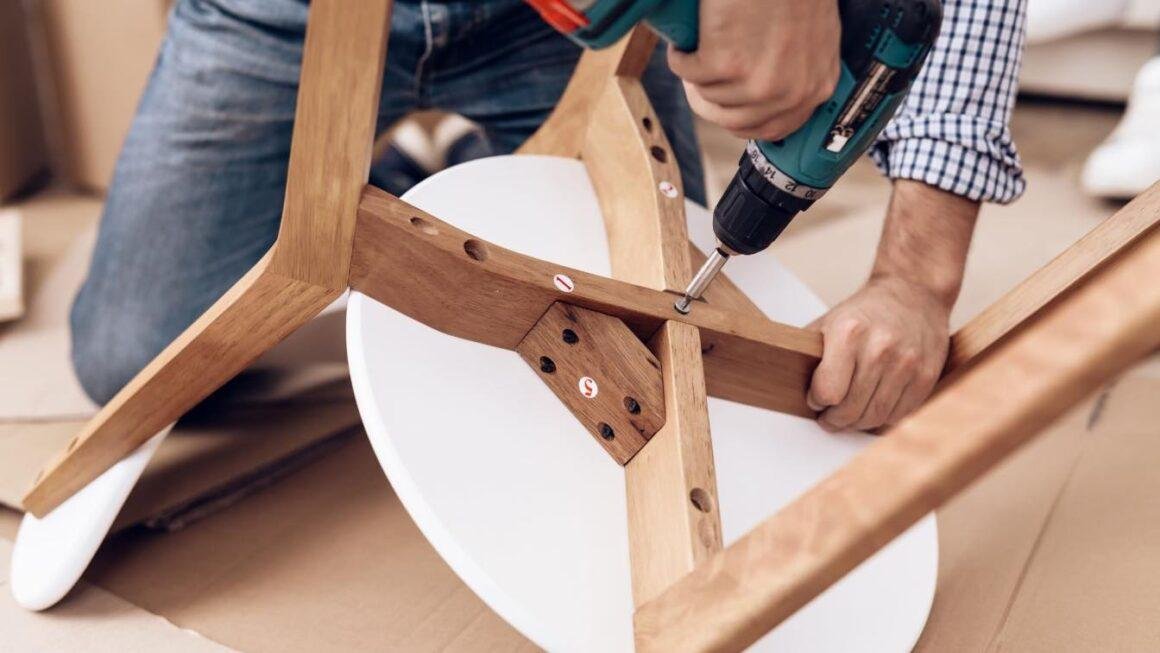
Furniture can transform a home or office, making it more functional and comfortable. However, assembling complex furniture can be challenging, especially if you are doing it for the first time. Large wardrobes, modular shelving units, office desks, and beds with drawers often come with many parts and detailed instructions. This is where proper furniture assembly becomes essential.
In this article, we will guide you through step-by-step furniture assembly for complex items. The instructions are easy to follow, written in clear English, and suitable for anyone, even those with little experience.
Why Proper Furniture Assembly Matters
Proper furniture assembly is more than just connecting parts. It ensures:
Safety: Correctly assembled furniture is stable and reduces the risk of accidents.
Durability: Proper assembly prevents joints from loosening or furniture from breaking over time.
Aesthetic Appeal: Correct assembly ensures that furniture looks as intended.
Functionality: Drawers, doors, and moving parts work smoothly when assembled correctly.
Incorrect assembly can lead to wobbly furniture, damaged parts, and even injuries. That is why following a step-by-step approach is important.
Step 1: Prepare Your Space
Before starting furniture assembly:
Clear a large, open area.
Lay down a protective sheet or blanket to prevent scratches on floors.
Ensure good lighting so you can see screws, bolts, and parts clearly.
A well-prepared workspace reduces stress and prevents damage to both your furniture and your home.
Step 2: Check All Parts and Tools
Complex furniture often comes with many components. Start by:
Unpacking all pieces and laying them out.
Checking that all parts listed in the instruction manual are present.
Gathering all necessary tools, such as screwdrivers, Allen keys, wrenches, and a hammer.
If any parts are missing or damaged, contact the supplier before starting assembly. Attempting assembly with missing parts can lead to mistakes or broken furniture.
Step 3: Read the Instructions Thoroughly
Even experienced people sometimes skip this step. Take time to:
Read the entire instruction manual.
Understand the sequence of steps and identify challenging sections.
Familiarize yourself with diagrams, labels, and part numbers.
Understanding the instructions before starting prevents confusion during assembly.
Step 4: Organize Parts by Type
Sorting parts by type simplifies the process. Group:
Screws, bolts, and washers by size.
Wooden or metal panels separately.
Small connectors or brackets in containers or bowls.
This makes it easier to locate parts during furniture assembly and reduces errors.
Step 5: Start With the Base or Frame
Most complex furniture begins with the base or main frame. This provides stability as you attach other parts. Tips include:
Ensure the frame is level and square.
Do not fully tighten screws until all major parts are attached; this allows adjustments.
Check that connecting points match the diagrams in the instruction manual.
A strong and stable base makes the rest of the assembly smoother.
Step 6: Attach Side Panels and Supports
Once the base is ready:
Attach side panels or vertical supports as indicated in the manual.
Use appropriate screws, bolts, or connectors.
Double-check that panels are aligned and at right angles.
Misaligned panels can cause drawers or doors to fit poorly later.
Step 7: Install Drawers, Shelves, and Moving Parts
Complex furniture often includes moving components:
Install shelves carefully, ensuring they sit securely in brackets or slots.
Assemble drawers according to instructions, checking that runners or slides are positioned correctly.
Test drawers and doors before tightening screws completely.
Proper placement of moving parts ensures smooth operation and prevents damage.
Step 8: Add Back Panels or Reinforcements
Many items, like cabinets and wardrobes, have back panels or braces:
Align the back panel properly.
Use nails, screws, or clips as instructed.
Check that all joints are reinforced and furniture feels stable.
Back panels provide rigidity, making furniture strong and long-lasting.
Step 9: Tighten All Screws and Bolts
After completing major assembly:
Go through each connection point.
Tighten screws and bolts firmly but avoid over-tightening, which can strip threads or damage panels.
Ensure all moving parts, like doors and drawers, still function smoothly.
Careful tightening ensures stability and safety.
Step 10: Inspect the Furniture
Before using your furniture:
Check that it is level and balanced.
Confirm that all drawers, doors, or adjustable parts operate correctly.
Look for gaps, loose joints, or misaligned components.
Inspection helps catch mistakes before furniture is put into regular use.
Step 11: Clean Up and Protect Your Furniture
After assembly:
Remove any protective films, packaging, or tape.
Wipe surfaces with a soft cloth to remove dust or debris.
Consider adding floor protectors under legs to prevent scratches.
Cleaning and minor protection prolong the life of your furniture.
Tips for Safe Furniture Assembly
Follow these additional tips for a safer and more efficient process:
Work with a partner: Large items are easier and safer to handle with two people.
Follow safety rules: Avoid lifting heavy pieces alone and wear gloves if needed.
Label parts: If parts are not numbered, label them to avoid confusion.
Take breaks: Complex furniture assembly can take time, so rest to maintain focus.
Use proper tools: Using the wrong tool can damage parts or make assembly harder.
Common Mistakes to Avoid
Even with a guide, mistakes happen. Avoid:
Skipping steps in the instruction manual
Forcing parts together that do not fit
Tightening screws too early or unevenly
Ignoring alignment and level checks
Assembling in a small or cluttered space
Avoiding these mistakes ensures your furniture assembly is successful and your items remain durable.
Benefits of Step-by-Step Furniture Assembly
Following a step-by-step process for complex furniture offers many benefits:
Reduces assembly time by preventing mistakes
Ensures stability and safety of furniture
Prevents damage to panels, screws, and finishes
Improves long-term durability and functionality
Reduces frustration and stress
Step-by-step furniture assembly is not just about finishing the task; it is about quality and safety.
When to Hire Professionals
Some complex furniture may still require professional help:
Very large or heavy items
Furniture with intricate mechanisms
Custom or modular systems
When you lack proper tools or experience
Hiring a professional furniture assembly service ensures your furniture is correctly and safely assembled without damage or risk of injury.
Final Thoughts
Furniture assembly, especially for complex items, can seem overwhelming at first. However, following a clear step-by-step approach simplifies the process. Preparing your workspace, organizing parts, reading instructions, assembling systematically, and inspecting the finished item ensures safety, stability, and durability.

 Arabic
 French
 Spanish
 Portuguese
 Deutsch
 Turkish
 Dutch
Dutch
 Italiano
 Russian
 Romaian
 Portuguese (Brazil)
 Greek
Greek