


 Leader Board
Dental Implant Healing Pain: Causes, Duration, and Relief Tips
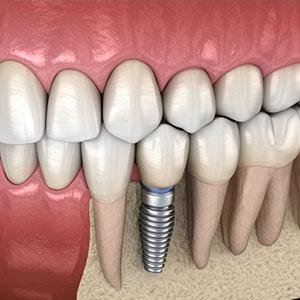
Dental implants are a highly effective solution for replacing missing teeth, offering stability, function, and a natural appearance. While dental implant healing in dubai surgery is generally safe and predictable, patients often experience some level of pain and discomfort during the healing process. Understanding the causes of implant-related pain, how long it typically lasts, and effective ways to manage it can help patients feel more comfortable and confident during recovery.
This guide explains why dental implant healing pain occurs, what you can expect at each stage, and practical strategies for relief.
Why Pain Occurs After Dental Implant Surgery
Dental implant surgery involves placing a titanium post into the jawbone to serve as a foundation for a new tooth. Pain after the procedure is a normal part of the body’s healing response and occurs for several reasons:
-
Surgical Trauma: The gum and bone are manipulated during implant placement, which naturally causes inflammation and tenderness.
-
Swelling and Pressure: Swelling of the tissues can create pressure around the implant site, resulting in soreness.
-
Nerve Sensitivity: Minor irritation of nearby nerves during surgery may lead to temporary discomfort or tingling.
-
Soft Tissue Healing: The gums need time to adapt and close around the implant, which can cause mild tenderness.
Mild to moderate pain is expected in the first few days and gradually improves as the tissues recover.
Typical Duration of Pain After Dental Implant Placement
The duration of pain varies among individuals and depends on factors such as the complexity of the procedure, number of implants placed, and individual healing capacity.
Immediate Post-Surgery Pain (First 24–48 Hours)
-
Pain is usually most noticeable during the first 24 hours.
-
Swelling and mild bleeding may accompany discomfort.
-
Pain is generally manageable with prescribed medications or over-the-counter pain relievers.
Early Recovery Phase (Days 3–7)
-
Swelling typically peaks during days 2–3 and gradually decreases afterward.
-
Tenderness and soreness around the gums and jawbone are common.
-
Soft foods and gentle oral hygiene are recommended.
Late Healing Phase (Weeks 2–6)
-
Most patients report that pain significantly subsides by the end of the first week.
-
Minor soreness may persist during chewing or brushing near the implant site.
-
Bone integration (osseointegration) continues beneath the surface, but it usually does not cause noticeable pain.
Long-Term Healing (Months 3–6)
-
Osseointegration completes gradually over several months.
-
Mild sensitivity may occur occasionally but usually resolves on its own.
-
Persistent or increasing pain beyond this stage is uncommon and should be evaluated by a dentist.
Factors That Can Increase Dental Implant Pain
While some discomfort is normal, certain factors can prolong or intensify pain:
-
Infection: Pain accompanied by swelling, redness, or discharge may indicate infection.
-
Poor Oral Hygiene: Accumulation of bacteria around the implant can slow healing and cause tenderness.
-
Smoking or Tobacco Use: Tobacco restricts blood flow and can delay tissue repair, increasing discomfort.
-
Excessive Pressure: Chewing hard foods or using the implant area too soon can aggravate pain.
-
Bone or Gum Health Issues: Insufficient bone density, gum disease, or preexisting oral conditions may result in prolonged soreness.
-
Multiple Implants or Complex Procedures: Cases involving bone grafts or sinus lifts may produce more extensive discomfort.
Identifying and addressing these factors helps prevent complications and promotes smoother healing.
Common Symptoms Associated with Dental Implant Healing Pain
Pain is often accompanied by other normal healing symptoms:
-
Swelling of gums or cheeks
-
Bruising around the implant site
-
Mild bleeding or oozing
-
Tenderness when touching or chewing near the implant
-
Temporary stiffness in the jaw
While these symptoms are typical, severe pain, pus, or persistent swelling may indicate an underlying problem and require dental attention.
Effective Ways to Manage Dental Implant Healing Pain
Proper management of pain supports comfort and promotes successful healing. Here are some strategies:
Follow Prescribed Medications
-
Dentists often recommend over-the-counter or prescription pain relievers immediately after surgery.
-
Follow dosage instructions carefully to maintain comfort.
-
Anti-inflammatory medications help reduce swelling and soreness.
Apply Cold Compresses
-
Cold packs applied to the outside of the face in the first 24–48 hours can reduce swelling and numb discomfort.
-
Use 15–20 minute intervals with a cloth barrier to protect the skin.
Maintain Soft Diet
-
Eating soft, easy-to-chew foods reduces stress on the implant site.
-
Avoid hard, sticky, or crunchy foods during the first few weeks.
Practice Gentle Oral Hygiene
-
Use a soft-bristled toothbrush and rinse gently with saltwater or a dentist-recommended solution.
-
Avoid vigorous rinsing or brushing directly on the surgical site.
Rest and Limit Physical Activity
-
Resting helps the body focus energy on healing.
-
Avoid strenuous exercise during the first few days to prevent swelling and pressure.
Avoid Tobacco and Alcohol
-
Smoking and alcohol can slow tissue repair and increase pain.
-
Avoid these substances during the healing period for optimal results.
Follow-Up with Your Dentist
-
Regular follow-up visits allow dentists to monitor healing and detect any complications early.
-
Report persistent or worsening pain, swelling, or other unusual symptoms promptly.
When to Seek Professional Help
While mild pain is normal, patients should contact their dentist if they experience:
-
Severe or increasing pain beyond the first week
-
Swelling that does not decrease or worsens
-
Redness, pus, or signs of infection
-
Implant mobility or unusual sensations
-
Persistent fever or general malaise
Prompt evaluation helps prevent complications and ensures long-term implant success.
Tips for Long-Term Comfort During Healing
Even after the first few weeks, supporting comfort and healing remains important:
-
Stick to a balanced diet rich in vitamins and minerals for tissue repair
-
Practice consistent oral hygiene to protect gums and surrounding teeth
-
Avoid habits like teeth grinding, chewing hard objects, or applying pressure on the implant
-
Follow professional guidance for the timing of final restorations such as crowns
These practices help reduce discomfort and protect the implant during osseointegration.
Understanding the Difference Between Pain and Complications
It is important for patients to distinguish normal healing pain from signs of potential complications:
| Normal Healing Pain | Possible Complication |
|---|---|
| Mild to moderate tenderness | Severe, increasing pain |
| Swelling decreases over time | Swelling worsens or persists |
| Pain improves with OTC medications | Pain does not improve with medication |
| Minimal discomfort when chewing | Difficulty chewing, persistent soreness |
| Gums are pink and firm | Red, inflamed, or pus-filled gums |
Recognizing these differences helps patients take timely action and ensures successful implant integration.
Conclusion
Dental implant healing pain is a normal and temporary part of the recovery process. It occurs due to surgical trauma, soft tissue adaptation, and the body’s natural inflammatory response. Pain usually peaks within the first 24–48 hours, gradually decreases over the first week, and continues to diminish as the gums and bone integrate with the implant.
Effective pain management involves proper medication use, gentle oral hygiene, cold compresses, soft foods, rest, and avoiding habits that stress the surgical site. Patients should remain attentive to unusual or persistent symptoms, as these may indicate complications requiring professional care.
By understanding the causes, duration, and relief strategies for dental implant healing pain, patients can approach recovery with confidence, reduce discomfort, and support long-term implant success.

 English
 Arabic
 French
 Spanish
 Portuguese
 Deutsch
 Dutch
Dutch
 Italiano
 Russian
 Romaian
 Portuguese (Brazil)
 Greek
Greek