


 Leader Board
Maintaining Oral Health While Wearing Teeth Braces
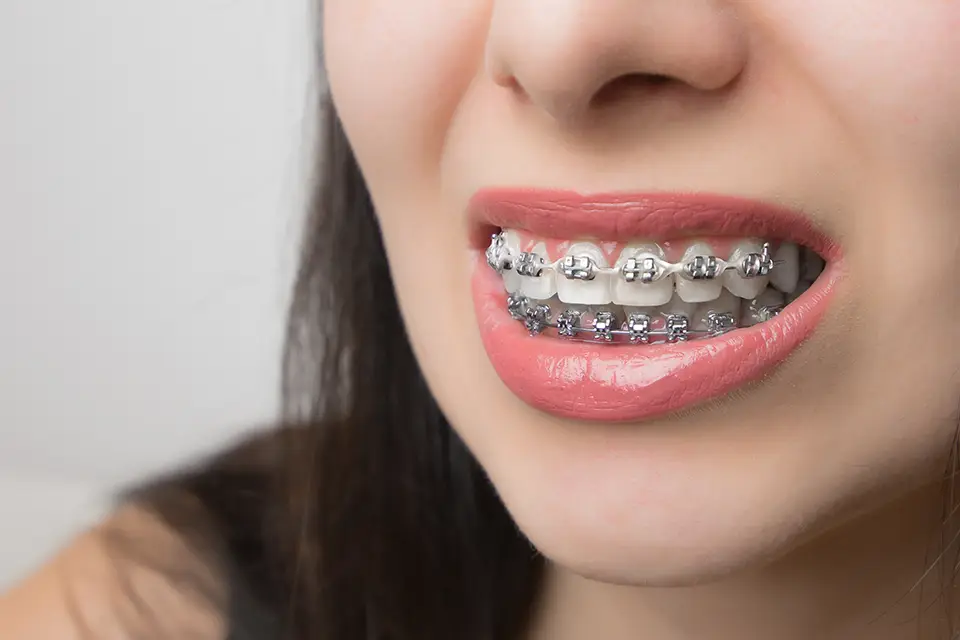
Wearing teeth braces is an essential step toward achieving a straighter, healthier smile, but it also comes with unique oral care challenges. teeth braces in dubai—whether metal, ceramic, or clear aligners—create areas where food particles and plaque can accumulate, increasing the risk of cavities, gum disease, and discoloration. Maintaining oral health during orthodontic treatment is therefore critical to ensure effective results and long-term dental wellness.
This guide offers practical advice, tips, and strategies for keeping your teeth and gums healthy while wearing braces.
Why Oral Health Matters During Braces Treatment
Braces apply gentle pressure to move teeth into their ideal positions, but they also create small spaces that trap food and bacteria. Without proper care, patients may experience:
-
Tooth decay or cavities
-
Gum inflammation or gingivitis
-
White spots or enamel demineralization
-
Bad breath
-
Prolonged treatment or complications
Fact: Effective oral hygiene during braces not only ensures a healthier smile but also contributes to faster and more successful orthodontic outcomes.
Brushing Techniques for Braces
Proper brushing is essential when wearing braces. Regular brushing removes plaque and prevents food accumulation around brackets and wires.
Steps for Effective Brushing:
-
Use a soft-bristled or orthodontic toothbrush: These brushes are designed to clean around brackets and wires without causing damage.
-
Angle the brush at 45 degrees: Brush above and below the brackets to reach all surfaces of the teeth.
-
Use gentle circular motions: Avoid hard scrubbing, which can damage enamel or braces.
-
Brush after every meal: Removing food particles promptly reduces the risk of plaque buildup.
-
Consider an electric toothbrush: Many electric models provide superior cleaning for orthodontic patients.
Tip: Take at least two minutes for brushing to ensure all areas, including brackets and gum lines, are thoroughly cleaned.
Flossing with Braces
Flossing removes plaque and food debris between teeth, an area that brushing alone cannot reach. Braces make flossing more challenging, but several tools can help.
Flossing Options:
-
Threaded floss: Regular dental floss threaded under wires to reach between teeth.
-
Orthodontic flossers: Specially designed for braces, allowing easy access between teeth.
-
Water flossers: Stream water to remove plaque and debris from hard-to-reach areas.
Tip: Floss daily to maintain gum health and prevent cavities around brackets and under wires.
Using Mouthwash for Added Protection
Mouthwash can complement brushing and flossing by reducing bacteria and strengthening enamel.
-
Fluoride mouthwash: Helps prevent cavities and strengthens tooth enamel.
-
Antibacterial mouthwash: Reduces plaque and inflammation of gums.
-
Rinse for 30–60 seconds, ideally after brushing and flossing.
Fact: Mouthwash reaches areas that toothbrushes and floss may miss, enhancing overall oral health during braces treatment.
Diet Considerations While Wearing Braces
Certain foods can damage braces or increase the risk of oral health issues. Maintaining a braces-friendly diet protects both your teeth and orthodontic appliances.
Foods to Avoid:
-
Sticky foods: Caramel, taffy, and gum can pull off brackets.
-
Hard foods: Nuts, hard candy, and ice can break wires or brackets.
-
Sugary foods and drinks: Increase the risk of cavities and plaque accumulation.
Safe Alternatives:
-
Soft fruits: Bananas, berries, and melons.
-
Cooked vegetables: Carrots, potatoes, and squash.
-
Dairy products: Yogurt, cheese, and milk for calcium and enamel protection.
-
Soft proteins: Eggs, fish, tofu, and tender meat.
Tip: Cutting food into small pieces makes eating easier and reduces the risk of damaging braces.
Managing Discomfort and Irritation
Braces can cause temporary discomfort or irritation, especially after adjustments.
-
Orthodontic wax: Covers brackets or wires causing rubbing against cheeks or lips.
-
Saltwater rinses: Reduce inflammation and soothe sore areas.
-
Soft diet: Eat softer foods immediately after adjustments to minimize discomfort.
-
Pain relief: Over-the-counter pain relievers can help during the first few days of treatment or after adjustments.
Fact: Discomfort usually subsides within a few days as teeth adjust to the braces.
Regular Dental Checkups
In addition to orthodontic appointments, routine dental visits are essential:
-
Professional cleaning removes plaque and tartar buildup.
-
Dentists monitor gum health and check for early signs of cavities.
-
Preventive care ensures braces treatment progresses without complications.
Tip: Schedule checkups every 6 months, or as recommended by your dentist, to maintain optimal oral health during treatment.
Special Care for Clear Aligners
Patients using clear aligners have unique oral care requirements:
-
Remove aligners when eating or drinking anything other than water.
-
Brush teeth before reinserting aligners to prevent trapping food and bacteria.
-
Clean aligners daily using a toothbrush, mild soap, or specialized cleaning solutions.
Fact: Proper care of aligners ensures clear trays remain hygienic, odor-free, and effective at aligning teeth.
Preventing Stains and White Spots
Braces can sometimes cause staining or white spots if plaque accumulates around brackets. To prevent this:
-
Brush thoroughly around brackets and along the gum line.
-
Limit sugary and acidic foods and drinks.
-
Use fluoride toothpaste or mouthwash to strengthen enamel.
-
Regular professional cleanings remove surface stains before they worsen.
Tip: Prevention is easier than treatment—consistent oral hygiene habits protect your teeth during braces.
Common Mistakes to Avoid
-
Skipping brushing or flossing: Leads to cavities, gum disease, and white spots.
-
Chewing hard or sticky foods: Can break wires or brackets and extend treatment duration.
-
Ignoring discomfort or issues: Early intervention prevents bigger problems.
-
Neglecting orthodontist appointments: Skipping visits slows progress and may cause complications.
Fact: Avoiding these mistakes ensures a smoother braces experience and healthier teeth.
Maintaining Oral Health After Braces
Even after braces are removed, oral health remains crucial:
-
Wear retainers as prescribed to maintain alignment.
-
Continue brushing and flossing twice daily.
-
Attend regular dental checkups to monitor long-term oral health.
-
Maintain a braces-friendly diet to protect teeth and gums.
Tip: Proper care after braces preserves both alignment and oral health for years to come.
Conclusion
Maintaining oral health while wearing teeth braces requires diligence, patience, and consistent care. Brushing, flossing, rinsing with mouthwash, following dietary guidelines, and attending regular dental checkups are all essential to ensure a healthy, cavity-free smile during treatment.
Modern braces—metal, ceramic, lingual, or clear aligners—offer a path to straighter teeth and improved oral function, but their success depends on proper maintenance. By taking proactive steps and following professional guidance, patients can achieve a beautiful, healthy smile and prevent long-term dental issues.
Fact: The effort put into oral care during braces treatment not only enhances results but also supports lifelong dental health and a confident, radiant smile.

 English
 Arabic
 French
 Spanish
 Portuguese
 Deutsch
 Turkish
 Dutch
Dutch
 Russian
 Romaian
 Portuguese (Brazil)
 Greek
Greek