


 Leader Board
Home Remodeling Impact on the Structural Value of a House
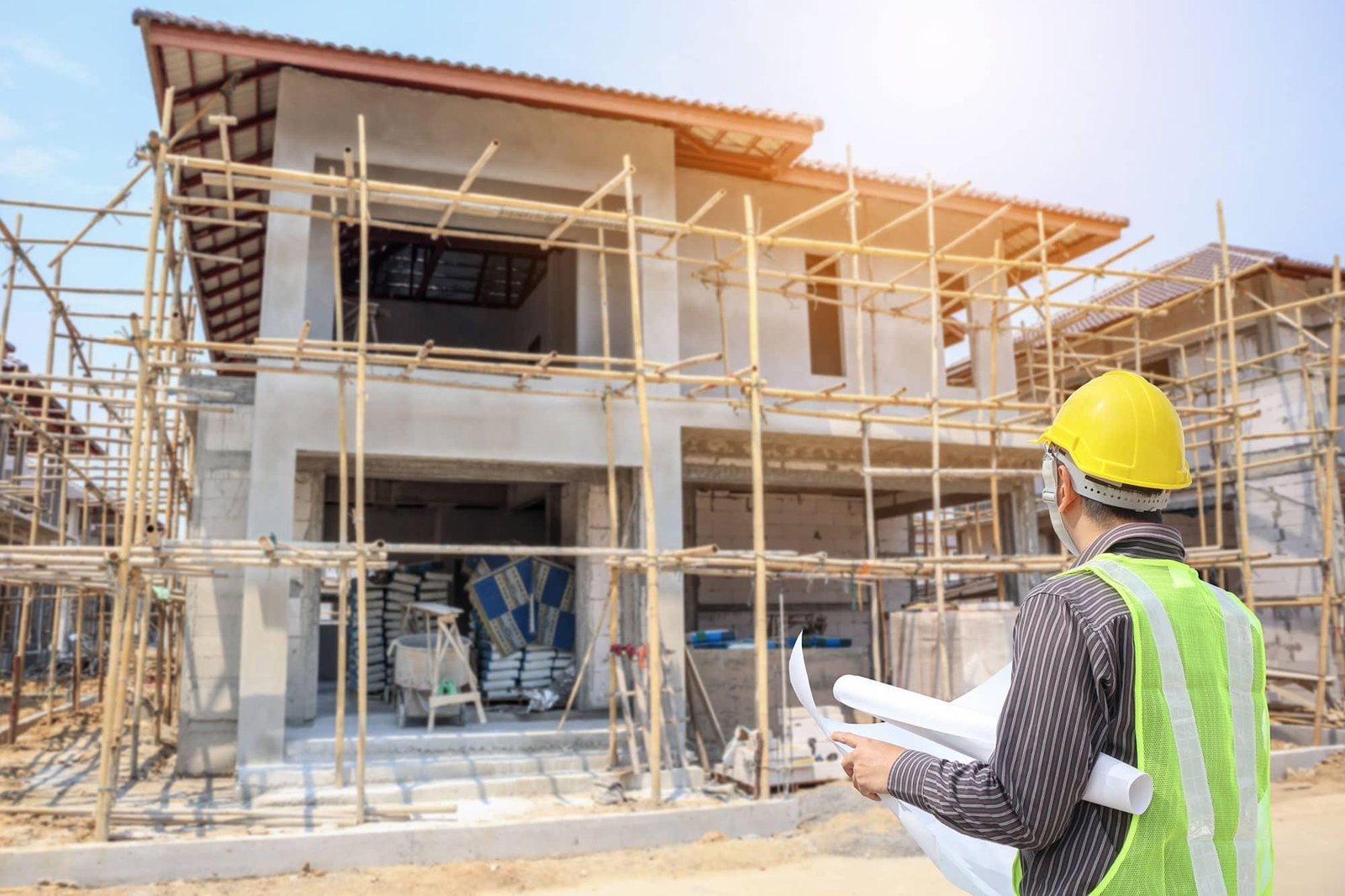
House remodeling is often viewed as a way to improve aesthetics or update outdated interiors, but its impact goes far beyond visual appeal. Thoughtfully planned remodeling can significantly enhance the structural and infrastructural value of a house, making it safer, more efficient, and more valuable over time. Whether the goal is to improve livability or increase resale value, remodeling plays a critical role in strengthening a home’s foundation—both literally and financially.
Understanding Structural and Infrastructural Value
The infrastructural value of a house refers to the strength, functionality, and longevity of its core systems. This includes:
Foundation and load-bearing structures
Roofing and framing
Plumbing and electrical systems
Insulation and ventilation
Water drainage and moisture control
While a home addition near you can make a home look appealing, infrastructural improvements ensure that it performs well, remains safe, and stands the test of time.
How Remodeling Improves Structural Integrity
Strengthening Aging Foundations
Older homes often suffer from foundation settling, cracks, or water damage. Remodeling projects that address these issues—such as reinforcing foundations or improving drainage—can prevent long-term structural failure and significantly extend the life of the house.
Upgrading Roofing and Framing
Roof replacement or reinforcement improves structural stability while protecting the interior from weather damage. Modern materials offer better durability, load resistance, and energy efficiency compared to outdated construction methods.
Electrical and Plumbing Upgrades: The Hidden Value Boost
Outdated electrical wiring and plumbing systems are common risks in older houses. Remodeling allows homeowners to:
Replace unsafe wiring
Upgrade electrical panels to handle modern loads
Improve water pressure and pipe durability
Reduce risks of leaks, fires, or system failures
These upgrades increase safety and compliance with modern building codes—an important factor in property valuation.
Energy Efficiency and Infrastructure Modernization
Construction services often focus on energy-efficient upgrades, which directly enhance a home’s infrastructural performance.
Key improvements include:
Improved insulation and sealing
Energy-efficient windows and doors
Modern HVAC systems
Smart home integrations
These changes reduce energy consumption, improve indoor comfort, and increase the long-term economic value of the home.
Layout Remodeling and Structural Optimization
Removing or modifying walls to create open spaces requires structural planning. When done correctly, it improves:
Load distribution
Natural light flow
Ventilation efficiency
Professional remodeling ensures that structural supports are reinforced rather than compromised, preserving the house’s integrity while improving functionality.
Moisture Control and Long-Term Durability
Moisture is one of the biggest threats to a home’s infrastructure. Remodeling projects that address:
Waterproofing basements
Improving roof drainage
Sealing crawl spaces
Upgrading exterior siding
Help prevent mold growth, wood rot, and foundation damage, all of which directly affect structural value.
Impact on Property Value and Market Appeal
From a buyer’s perspective, a remodeled home with strong infrastructure is more attractive than one with visible but shallow upgrades. Homes with updated systems often:
Appraise higher
Sell faster
Require fewer inspection repairs
Attract serious buyers
Structural upgrades signal long-term reliability, reducing perceived risk for potential buyers.
Remodeling vs. Renovation: Structural Perspective
While renovation focuses on restoring appearance, remodeling improves how a house functions. Structural remodeling enhances:
Load-bearing capacity
Safety standards
System efficiency
Long-term maintenance costs
This distinction is important when considering how remodeling contributes to infrastructural value rather than just aesthetics.
The Importance of Professional Planning
Poorly executed remodeling can reduce structural value instead of improving it. Hiring qualified professionals ensures:
Compliance with building codes
Proper material selection
Structural assessments before modifications
Long-term durability
A strategic remodeling plan maximizes both safety and return on investment.
Final Thoughts
House remodeling is far more than a visual upgrade—it is an investment in the structural health and infrastructural strength of a home. By improving foundational elements, upgrading core systems, and enhancing energy efficiency, remodeling significantly increases both the functional and market value of a house.

 Arabic
 French
 Spanish
 Portuguese
 Deutsch
 Turkish
 Dutch
Dutch
 Italiano
 Russian
 Romaian
 Portuguese (Brazil)
 Greek
Greek