


 Leader Board
A Brief History of Custom Matches Boxes Collecting
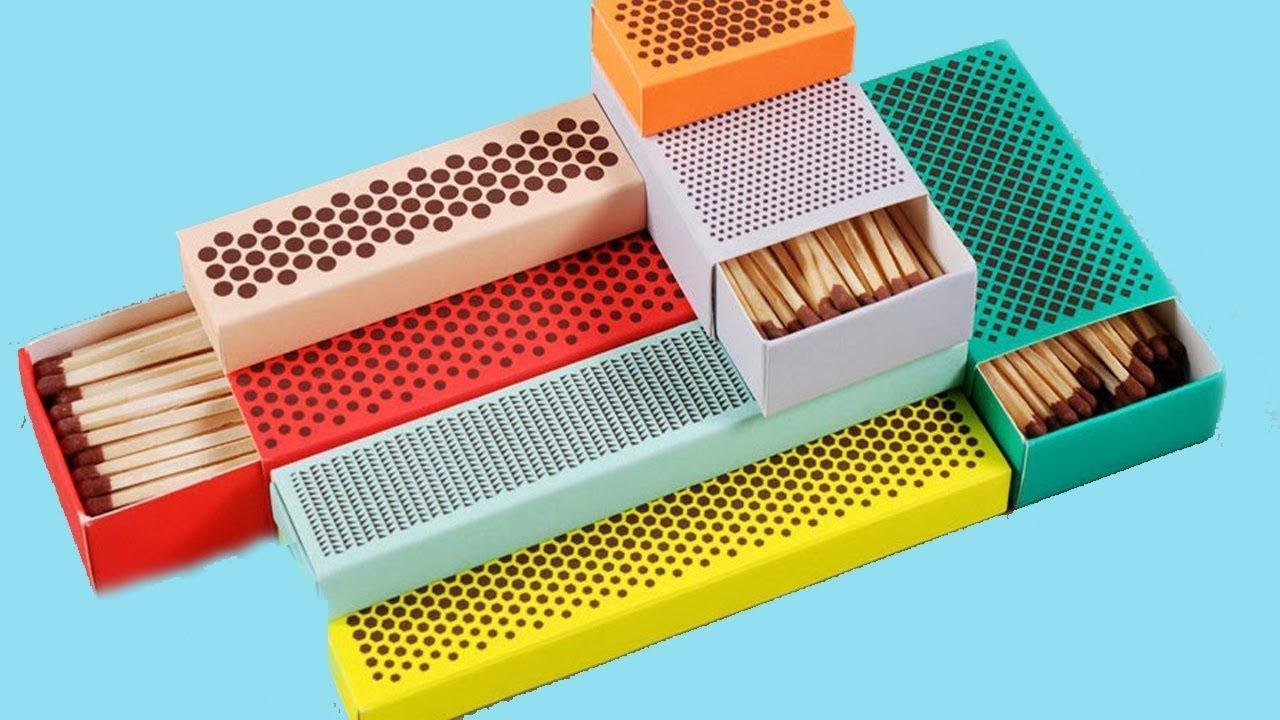
Collecting items has always been part of human nature. One of the most charming and lesser-known hobbies is collecting custom matches boxes. These small objects, once used every day, have grown into a world of history, design, and nostalgia.
The Origins of Matchboxes and Their Early Designs
The story of matchboxes starts in the early 1800s. Before matches, people used flint and steel or carried embers from fire to fire. The invention of the friction match in 1826 by John Walker changed daily life. But it wasn’t just the matchstick that made a difference—it was how people stored them.
Early matchboxes were very simple. They were made of wood or cardboard and often plain in appearance. But even then, manufacturers noticed that printing names or logos on boxes helped advertise their products. Over time, the designs became more colorful and attractive. These early matchboxes, now very rare, are the first examples of collectible designs.
As the match industry grew in countries like Sweden, Germany, and the United States, so did the variety in matchbox art. Matchboxes started showing off not just the brand but also themes like nature, transportation, national flags, and more. Collectors today still hunt for these rare early boxes. They offer a glimpse into the past, showing what people once valued or considered beautiful.
Some of the first mass-produced matchboxes from Europe were even printed using stone lithography. This technique allowed for detailed, colorful images that still survive to this day in private collections and museums.
Collecting these early designs helps keep a part of industrial and everyday history alive. Each matchbox tells a story of the company that made it and the people who used it. That’s what makes collecting such a personal and exciting hobby.
The Golden Age of Matchbox Collecting
The true golden age of matchbox collecting came between the 1920s and 1960s. During these decades, matches were the main way people lit candles, stoves, and cigarettes. Almost every household and business had a box nearby. That made matchboxes perfect tools for advertising.
During this time, companies from all over the world produced beautifully designed matchboxes. These boxes often carried ads for hotels, restaurants, airlines, theaters, and many more. The designs were bold, artistic, and creative. They used bright colors and striking logos to grab people’s attention.
The 1950s saw a big rise in the number of collectors. People began to realize that these boxes were more than just useful—they were also little pieces of art. Some countries, like Japan and Russia, also began to produce very detailed and colorful matchbox designs, further adding to the appeal.
Collectors during the golden age often focused on specific themes. Some wanted only sports-themed boxes. Others focused on hotels, transportation, or famous events. This helped make the hobby more organized and meaningful. Clubs and groups formed in many countries, helping collectors trade, display, and learn about their finds.
Match manufacturers noticed the growing collector interest. Some even produced limited edition boxes or series to attract collectors. This helped grow the hobby even more, making it both fun and sometimes even profitable.
Many designs from this period are now considered classic. They reflect the styles, colors, and interests of the mid-20th century. Anyone who looks at a collection from this time can learn a lot about past culture, fashion, and industry.
Regional Styles and Global Appeal
Matchbox design changed from country to country, reflecting local tastes, languages, and history. This made collecting even more exciting. Each box held not just a design but a bit of the place it came from.
In Eastern Europe, for example, matchboxes often featured strong political messages. During the Soviet era, boxes carried messages about labor, unity, and national pride. They also showed art styles like socialist realism. These boxes became tools of communication during a time when many people had limited access to newspapers or radios.
In contrast, Japan became known for its playful and artistic matchboxes. Japanese boxes often used soft colors, cartoon characters, or traditional designs. Many were made for cafes and bars, making them unique and sometimes humorous.
In the United States, matchboxes were used heavily by hotels, motels, and restaurants. They often included the name and address of the business, making them like early-day business cards. These designs were simple but often stylish and elegant, matching the brand’s image.
Scandinavian countries, especially Sweden, became big producers of matchboxes. Swedish matchboxes are famous for their quality and art. Some even featured folk tales or wildlife. Sweden also became a top exporter of matches and boxes worldwide.
The wide variety in regional designs helped collectors expand their horizons. Many started collecting international boxes. They began trading or buying boxes from other countries. This gave birth to a more global community of collectors. Today, international matchbox exchanges and online groups still carry on this global passion.
Collecting as a Personal and Cultural Hobby
What makes collecting matchboxes special is how personal it can be. Every collector has their own story, reason, or interest. Some were first drawn in by a box they found on a trip. Others were inspired by a parent or grandparent who collected them. The hobby grows with each new piece added.
Custom matches boxes may seem like small, simple items. But for collectors, they hold big meaning. Each box is tied to a memory, a place, or a time in history. Whether it's from a fancy hotel or a local diner, the design brings back a moment that can be cherished.
Over time, matchbox collecting also becomes a cultural act. It helps keep old stories, brands, and art alive. In many ways, it's like saving tiny windows into the past. A collector can learn a lot about a country just by looking at its matchbox designs.
Many people also enjoy the social side of collecting. They meet others who share the same interest, attend swap meets, or join online groups. This makes the hobby more fun and helps build friendships across borders.
Even younger people are getting into collecting. They see it as a way to unplug from screens and enjoy something physical and creative. The boxes are easy to store, display, and sort. That makes it a perfect hobby for many.
While the number of boxes in circulation may be less today, the interest is still strong. Passionate collectors continue to grow their collections, pass them down, or donate them to museums. That way, the tradition stays alive.
Advertising and Marketing through Matchboxes
One of the most interesting parts of matchbox collecting is its link to advertising history. In the early to mid-1900s, businesses saw matchboxes as a cheap and clever way to market themselves. Since almost everyone needed matches, a matchbox was sure to be seen.
Businesses from all sectors used this idea. You could find boxes for bars, airlines, department stores, and even banks. A small object in someone’s pocket could carry the name of a business to dozens of eyes.
Some matchboxes were part of entire marketing campaigns. A restaurant might offer a matchbox with a joke, a recipe, or a discount. Others used creative shapes or rare colors to catch attention. This turned the matchbox into a memorable part of a brand.
Large companies often produced sets. A person might collect all ten boxes from a series, like tourist locations or historic dates. This encouraged people to come back to the business and collect more.
Matchboxes were also given out at big events. Fairs, concerts, and sports games used them as souvenirs. That made them even more collectible. People not only remembered the event—they had something small and lasting to prove they were there.
Though this form of marketing is not used much today, its impact can still be seen. Vintage matchboxes are studied by designers and marketers. They show how color, words, and layout can affect memory and brand loyalty.
For collectors, these boxes offer more than nice pictures. They tell how companies once thought and how they reached people. It’s a part of marketing history that fits right in your hand.
Artistic and Graphic Design Elements
The design on matchboxes often reflects the design trends of the time. From Art Deco to Pop Art, many styles have been used on these tiny canvases. That’s part of what makes collecting so exciting.
Artists and printers treated each box as a small space to grab attention. They used bold lines, bright colors, and clever layouts. Many matchboxes from the 1930s, for example, use strong geometric shapes. That matches the popular design style of that era.
In the 1960s, more playful and modern art began to appear. Some boxes used abstract forms, while others featured cartoon-style drawings. These designs are especially popular with collectors today.
The quality of printing also varied. Some countries used high-end printing presses. This allowed for sharp, detailed images. Others used cheaper methods, creating a more handmade look. Both styles have their fans.
Some collectors focus only on boxes with certain types of art. They may want only floral designs, old logos, or even famous artists. That gives their collection a unique theme and feel.
Design schools sometimes use matchboxes to teach design principles. They are excellent examples of how to balance color, type, and image in a small space. They also show how design can send a clear message in just a few seconds.
The beauty of these designs is that they mix art with real life. They were made not for galleries, but for people to use. That makes them both practical and artistic. For those who collect, each design is a miniature work of art.
Modern Matchbox Collecting in the Digital Age
Today, matchbox collecting has changed, but not disappeared. Fewer businesses give out matches. Smoking has also dropped, so the daily need for matches is much lower. But collectors have moved online, and the hobby has adapted.
Websites, forums, and social media allow collectors to connect from around the world. They can trade, show their finds, and even teach others about the hobby. Some collectors even scan and upload their boxes to online libraries, preserving them digitally.
Digital platforms have also made it easier to find rare items. Online auctions and marketplaces often list vintage matchboxes. Collectors can search for specific themes, time periods, or regions from the comfort of home.
Collectors today are also more focused. Many have turned to themes like vintage travel, art styles, or local brands. They use their collections to tell a story. Some even create displays or write blogs to share their passion.
At the same time, new companies are bringing back matchbox designs. These are often made for events, weddings, or branding. Some of these modern pieces are already becoming collectible. While they may not be used much, their design still draws attention.
So while the world has changed, the love for matchboxes remains. It has simply found new ways to grow and connect.
Preserving and Displaying a Collection
Caring for matchboxes is a big part of collecting. Paper and cardboard can fade, tear, or wear out. So collectors must take steps to protect their pieces.
Most store their boxes in albums, drawers, or special display cases. These keep out light, moisture, and dust. Handling boxes with clean hands is also key. Some even wear gloves when touching older or rare pieces.
Keeping records is helpful too. Many collectors log where and when they found each box. This adds value and personal meaning. Labels, dates, and notes help tell the full story.
Displaying a collection can be very rewarding. Some use shadow boxes or wall frames to highlight their best finds. Others rotate their display, showing different themes each month.
For those who enjoy crafting, it’s easy to make creative displays. A world map with boxes pinned to each country is one fun idea. Another is to create a timeline using boxes from different years.
Museums and exhibitions sometimes show private collections. That allows more people to enjoy and learn from these small works of art.
Keeping matchboxes safe and showing them with pride helps the hobby live on. It also honors the history and design that each box holds.
Conclusion
Matchbox collecting is more than just a hobby—it is a celebration of history, design, and personal memory. What started as a practical item for daily use has become a valuable piece of cultural heritage. From early wooden boxes to the vibrant advertising pieces of the 20th century, each matchbox holds a small window into a different time and place.
Collectors around the world continue to find joy in discovering rare designs, preserving unique styles, and sharing their collections with others. Whether inspired by art, travel, nostalgia, or storytelling, collecting brings people closer to the details that once filled everyday life.
Even in today’s digital world, where matches are no longer common, the passion for collecting lives on. Thanks to the internet and dedicated communities, the interest has not faded—it has simply evolved. And as long as there are stories to tell, matchboxes will remain more than just objects—they will be tiny pieces of history worth holding onto.

 English
 Arabic
 French
 Spanish
 Portuguese
 Deutsch
 Turkish
 Italiano
 Russian
 Romaian
 Portuguese (Brazil)
 Greek
Greek