


 Leader Board
The Robotic Pool Cleaner Market: Navigating a Wave of Smart Home Innovation
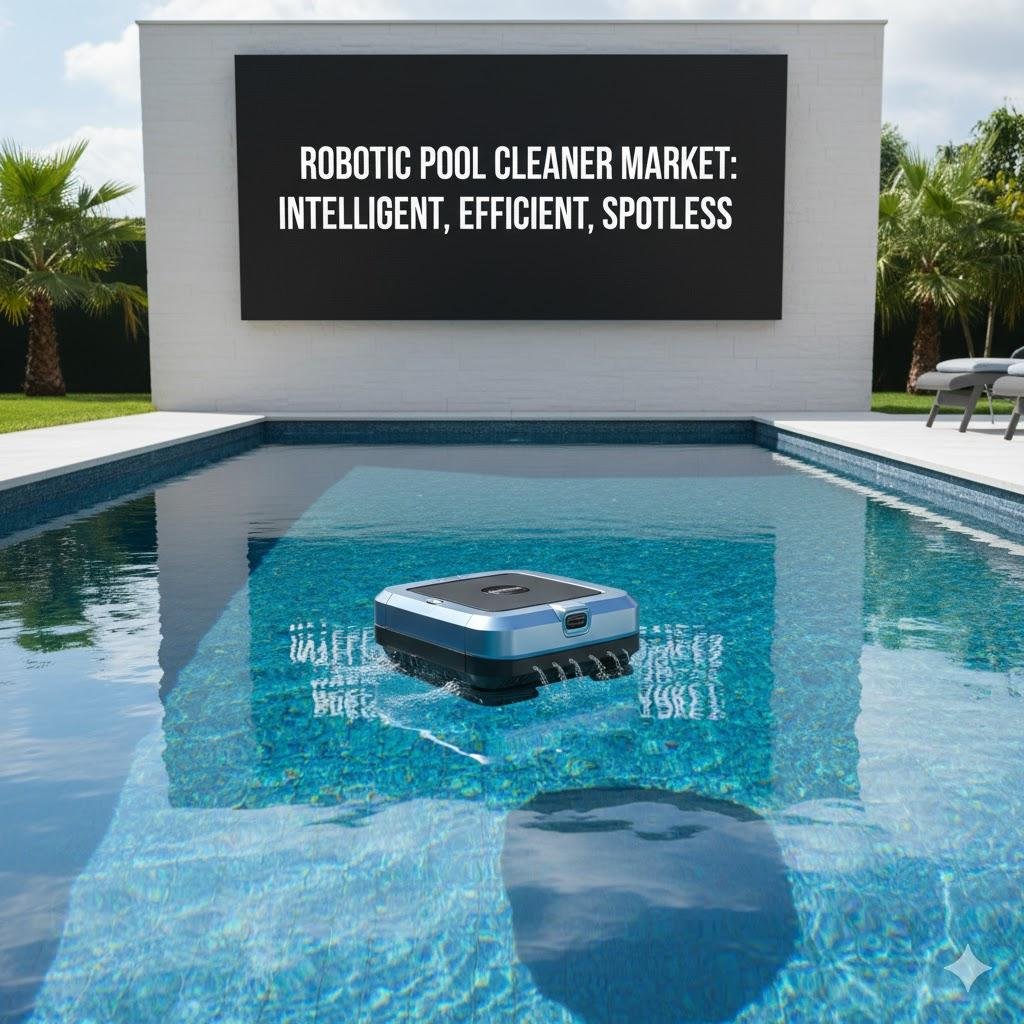
The image of a serene, crystal-clear swimming pool often belies the laborious task of maintaining it. For decades, this meant manual vacuuming, cumbersome hoses, and a significant time investment. Today, that chore is being effortlessly handled by autonomous machines. The robotic pool cleaner market is experiencing a powerful surge, transforming from a luxury novelty into a mainstream smart home essential. This article dives into the currents shaping this dynamic, technology-driven industry.
According to Credence Research The robotic pool cleaner market size was valued at USD 2,220 million in 2024 and is anticipated to reach USD 5061 million by 2032, at a CAGR of 10.9 % during the forecast period (2024-2032).
Source: https://www.credenceresearch.com/report/robotic-pool-cleaner-market
What is a Robotic Pool Cleaner?
A robotic pool cleaner is a self-contained, electrically powered unit that operates independently of a pool's existing filtration and pump systems. Equipped with an onboard motor, filtration canister, and intelligent programming, it navigates the pool's floor, walls, and waterline, scrubbing surfaces and trapping debris with remarkable efficiency.
Key components that define these devices include:
- Intelligent Navigation: Using advanced algorithms, gyroscopes, and sometimes sonar or vision systems to map the pool for systematic, complete coverage.
- Efficient Filtration: Multi-stage filters (including fine cartridges) that capture everything from large leaves to microscopic particles as small as 2 microns, leaving water sparkling.
- Powerful Scrubbing: Brushes that dislodge algae and biofilm from all pool surfaces.
- Smart Connectivity: Many modern models offer Wi-Fi and app control, allowing users to schedule cleanings, monitor status, and receive notifications from their smartphone.
Market Drivers: Why Demand is Skyrocketing
The global market for robotic pool cleaners is expanding rapidly, fueled by a confluence of factors:
- The "Smart Home" Revolution: Consumers are increasingly adopting connected devices that offer convenience and remote control. Robotic pool cleaners fit perfectly into this ecosystem, becoming an integral part of the automated backyard.
- The Premium on Convenience and Time-Savings: In our time-pressed world, the value of convenience has never been higher. The ability to "set it and forget it" is a powerful selling point, freeing up homeowners for more enjoyable activities.
- Superior Performance and Efficiency: Unlike pressure-side or suction-side cleaners, robots provide a far superior clean. They are also highly energy-efficient, running on low-voltage DC power rather than relying on the pool's energy-hungry main pump, which can lead to significant electricity savings.
- Rising Pool Ownership and the "Staycation" Trend: The post-pandemic era has seen a sustained interest in home improvement and backyard leisure. As more pools are installed, the addressable market for cleaners grows. Furthermore, the "staycation" trend motivates owners to invest in making their backyard oasis as pristine and low-maintenance as possible.
- Water and Chemical Conservation: By thoroughly filtering water and scrubbing surfaces, robots reduce the load on the pool's primary filter and help prevent algae growth. This allows for more stable water chemistry and can reduce the consumption of chlorine and other chemicals.
Key Market Segments and Consumer Choice
The market has segmented to cater to different needs and budgets:
- Entry-Level / Economy Models: Focus on basic floor cleaning with simple random navigation patterns. They offer a hands-off cleaning solution at an accessible price point but may lack advanced features.
- Mid-Range / Performance Models: The most competitive segment. These units feature smart navigation (often gyroscopic), the ability to climb walls and scrub the waterline, and better filtration. App connectivity is becoming standard here.
- High-End / Premium Models: The pinnacle of pool cleaning technology. They boast advanced mapping (like iRobot's visual mapping or Maytronics' CleverClean), powerful dual brushes, ultra-fine filters, and full integration with smart home systems like Amazon Alexa and Google Assistant.
Emerging Trends and Future Innovations
The robotic pool cleaner market is far from stagnant, with several key trends shaping its future:
- AI and Advanced Mapping: The next frontier is moving from systematic cleaning to true cognitive mapping. Cleaners that can learn a pool's unique shape and obstacles, remember "trouble spots," and optimize their path for speed and efficiency are leading the charge.
- Enhanced Connectivity and Ecosystem Integration: Beyond basic app control, future integration will include features like water chemistry monitoring, where the cleaner can share data with a smart water tester to provide a holistic view of pool health.
- Focus on Sustainability: Manufacturers are increasingly focusing on energy efficiency, the use of recyclable materials, and longer product lifespans to appeal to environmentally conscious consumers.
- Battery-Powered Cordless Models: A small but growing niche, these offer ultimate convenience by eliminating the power cable entirely, making setup as simple as dropping the unit in the water. Improvements in battery life are key to this segment's growth.
- Subscription and "Robotics-as-a-Service" Models: Some companies are exploring subscription plans that bundle the cleaner with regular maintenance, filter replacements, and warranty extensions, lowering the barrier to entry for premium technology.
Challenges and Headwinds
Despite the positive outlook, the industry faces some challenges:
- High Initial Cost: The superior performance of robotic cleaners comes with a higher upfront price tag compared to traditional alternatives, which can be a barrier for some budget-conscious consumers.
- Perceived Complexity and Repairability: Some users are wary of the technology and the potential cost and complexity of repairs. Manufacturers who can offer robust warranties and accessible service networks will have an advantage.
- Market Saturation and Intense Competition: The market is attracting new players, leading to fierce competition on price, features, and marketing. Standing out requires continuous innovation.
The Competitive Landscape
The market is dominated by a few key players, most notably Maytronics (marketing under the Dolphin brand), which holds a significant market share. Other major competitors include Zodiac Pool Systems (Baracuda, Polaris), Pentair, and Hayward Industries. The landscape also features a growing number of innovative direct-to-consumer and online brands that are disrupting the traditional pool supply store model.
Conclusion: Riding the Current of Growth
The robotic pool cleaner market is swimming strongly with the tides of automation, convenience, and smart living. It has successfully repositioned pool maintenance from a dreaded chore to an automated, efficient process. As technology continues to advance—making cleaners smarter, more connected, and more efficient—adoption is poised to become the norm rather than the exception.
For homeowners, the value proposition is clear: reclaim your time, save on resources, and enjoy a perpetually pristine pool. For the industry, the future is about continuing to innovate, differentiate, and make this transformative technology accessible to an ever-widening circle of pool owners worldwide.
Source: https://www.credenceresearch.com/report/robotic-pool-cleaner-market

 English
 Arabic
 French
 Spanish
 Portuguese
 Deutsch
 Turkish
 Dutch
Dutch
 Italiano
 Romaian
 Portuguese (Brazil)
 Greek
Greek