


 Leader Board
Interior Designer in Pakistan: Small Space, Big Creativity
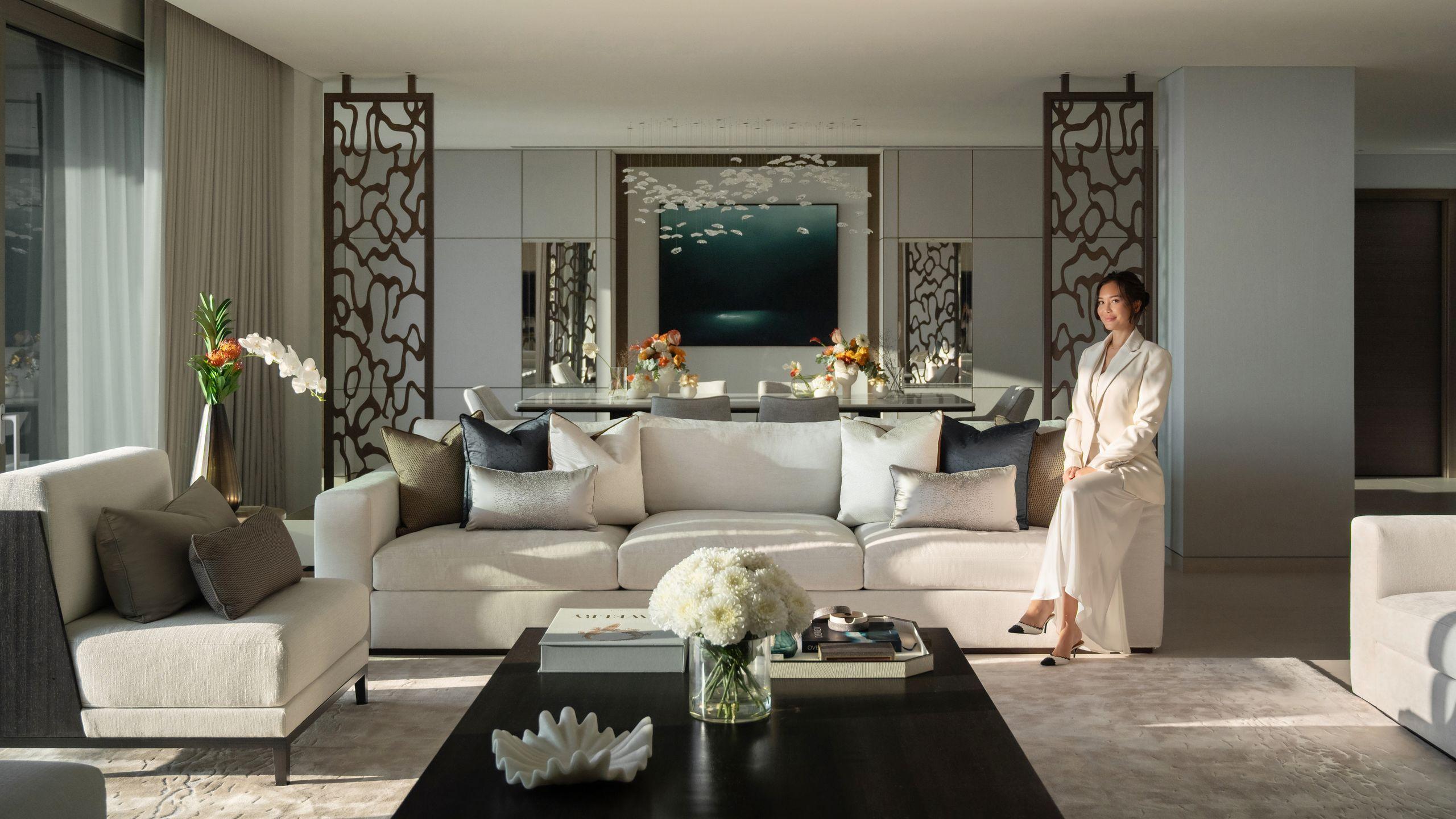
There’s something charming about small homes in Pakistan. Whether it’s a compact city apartment in Lahore, a cozy portion in Karachi, or a narrow ancestral house in Peshawar, these spaces carry stories, memories, and the warmth of everyday life. Yet, living in a small home often brings that familiar struggle: “Where do I put all this stuff?” This is exactly where an Interior Designer in Pakistan quietly works their magic, showing how even limited square footage can feel open, stylish, and deeply personal.
Many people assume small spaces restrict creativity, but the truth is quite the opposite. These homes push designers to think smarter, get bolder, and use clever emotional intelligence to understand how families function. And honestly, there’s a kind of beauty in watching a simple wall become a storage solution or a dull corner turn into a reading nook that feels like a warm hug after a long day.
The Emotional Side of Designing in Small Pakistani Homes
Small homes in Pakistan aren’t just places to live—they’re hubs of family bonding. Every room carries meaning. A bedroom isn’t only for sleeping; sometimes it's also a study space, a prayer area, and a place where kids dream their big dreams. A living room doubles as a guest area, a tea corner, and occasionally, a battleground for siblings arguing over the remote.
This is why designing small spaces here isn’t purely technical. It’s emotional.
A decorator has to understand the family’s rhythm—how the mother likes her tea spot near a window, how the teenage son wants a bit of privacy in a shared room, and how every parent secretly hopes to maintain a little style even while living with active, creative (and slightly messy) children.
A lot of people don’t think about this emotional layer, but it’s the heart of good design. Without it, you’re left with furniture and paint colors—pretty, but not personal.
Making the Most of Vertical Space
One of the smartest shifts happening across small Pakistani homes is letting the walls work harder. Vertical space has become the unsung hero of compact living. Floating shelves, tall cupboards, stacked organizers, and even sleek wall-mounted desks allow you to store more without sacrificing precious floor area.
Designers here have mastered the art of layering height without making rooms feel stuffed. They play with open shelving where families display souvenirs from northern trips, Eid décor pieces, or framed calligraphy passed down from grandparents. It keeps the home functional while allowing personalities to shine through.
And honestly, nothing feels better than seeing clutter disappear while the room still breathes.
Furniture That Pulls Its Weight
If there’s a secret weapon for making small spaces feel generous, it's multi-functional furniture. Pakistani designers have become incredibly creative with it.
Here’s what’s popular right now:
-
Sofas with deep storage underneath—perfect for hiding blankets guests never see but everyone uses
-
Foldable dining tables—life-savers for families who want space during the day and a proper sit-down dinner at night
-
Ottoman stools that double as seating and storage—ideal for surprise chai guests
-
Beds with hydraulic lift-up storage—because winter outfits need a place to hibernate
What makes these choices work is not just their practicality but how they subtly respect the way Pakistani families live: hosting often, sharing spaces, and celebrating cultural rituals together.
Color Palettes That Open the Room Up
Designing small spaces requires a color sense that strikes the right emotional note. Light, airy colors can make the home feel spacious and refreshing. But that doesn’t mean everything must be pale or boring.
Many families now gravitate toward soft beiges, muted teals, and warm earthy tones. These shades don’t overpower the room, yet they add warmth that suits our lifestyle—especially when paired with textured elements like rugs, woven baskets, or traditional cane furniture.
Even a gentle accent wall can completely shift the mood. A pastel olive wall behind a bed or a muted clay shade in the TV lounge adds a personal touch without shrinking the room visually.
Colors influence mood, so picking them with intention matters. A well-designed small home feels peaceful even during noisy family gatherings.
Light: The Real Game Changer
Let’s be honest—natural light in many small Pakistani homes tends to be limited. That’s why interior designers lean heavily into smart lighting that makes a room feel larger than it is.
Layered lighting is a big trend:
-
Soft wall sconces for a warm glow
-
Ceiling lights to brighten up shared spaces
-
Under-cabinet lights in kitchens to make cooking less tiring
-
Floor lamps for cozy corners
-
LED strips behind mirrors to add depth
The goal isn’t just brightness—it’s ambiance. And in small homes, ambiance is everything. Good lighting can turn a cramped room into a relaxing evening retreat where you actually want to unwind.
Bringing in Traditional Elements Without Overcrowding
One of the most heartwarming parts of interior design in Pakistan is the cultural blend. Even in tiny spaces, families want to hold onto tradition—maybe a carved wooden mirror from their mother’s dowry, a family Quran shelf, or embroidered cushions from Multan.
Designers use subtle touches to honor culture without overwhelming the space. A single handcrafted pottery piece, a traditional wall hanging, or a simple rug with tribal patterns offers nostalgia while keeping the interior fresh and modern.
Small spaces shine when tradition whispers instead of shouting.
Clever Storage That Doesn’t Feel Like Storage
A huge part of living comfortably in smaller Pakistani homes is managing belongings. Families tend to hold onto sentimental items, seasonal clothes, children’s school materials, and the occasional surprise stash of wedding gift sets.
Smart designers hide storage in plain sight:
-
Deep drawers beneath TV consoles
-
Hidden compartments in staircases
-
Sliding wardrobes with full-height mirrors
-
Wall-mounted shoe racks disguised as décor
This invisible storage brings calm to the home—not just visually but emotionally. When everything has a place, life simply feels lighter.
When Layout Matters More Than Size
The layout of a home—especially a small one—can make or break daily comfort.
Designers pay special attention to:
-
Keeping walkways clear
-
Pulling furniture away from walls to create breathing room
-
Using rugs to define spaces
-
Positioning mirrors opposite windows
-
Allowing the room’s shape to naturally guide arrangement
Sometimes a simple change, like flipping the sofa direction or shifting the dining table, can create flow you didn’t even know you were missing.
Good layouts feel intuitive—you move around your home without bumping into a table or tripping over a charger wire.
Styling Small Kitchens Without Losing Functionality
Pakistani kitchens do a lot of heavy lifting. They handle big meals, everyday cooking, teatime duties, and storage of more spices than one person can reasonably name. In small homes, this becomes even more challenging.
Modern designers work around this by introducing:
-
Tall pantry cabinets
-
Pull-out trays
-
Vertical spice racks
-
Smart corner storage units
-
Sleek countertops that make even simple cooking feel organized
Even a tiny kitchen can feel elegant when everything is within reach but nothing feels cluttered.
Turning Balconies and Corners Into Emotional Spaces
One of the sweetest trends emerging in Pakistan is the personalization of tiny balconies and forgotten corners. A balcony, no matter how narrow, transforms beautifully with a small chair, a plant stand, or a string of fairy lights. It becomes your escape—your tea corner, your late-night-chat spot, or your private retreat after a long day.
Interior designers encourage families to reclaim these overlooked spaces, and the emotional payoff is huge. A small corner can feel like a sanctuary when styled thoughtfully.
The Middle-of-the-Home Moment: The Role of the Interior Designer in Pakistan
Even as homes get smaller, the role of an Interior Designer in Pakistan grows more meaningful. Their work isn’t about adding things—it’s about choosing what truly belongs.
Small spaces demand clarity, cleverness, and heart. A designer doesn’t just measure walls; they measure lifestyles, relationships, and the kind of comfort a family silently hopes for. They notice details you may overlook: the corner where sunlight falls most beautifully, the flow of movement in your lounge, or the kind of seating Grandpa might prefer during his visits.
Their expertise becomes a bridge between style and practicality, making small homes feel warm, organized, and deeply lived-in.
FAQs
How do small homes in Pakistan benefit emotionally from good design?
A well-designed small home brings emotional balance. It reduces stress, helps families stay organized, and creates harmony by giving every person a space that feels comforting and personal.
Can small rooms still look stylish without feeling crowded?
Absolutely. With the right palette, multi-functional furniture, and clever storage, small rooms can look chic, cozy, and modern without sacrificing function.
Do I need a big budget to redesign a small space?
Not at all. Small spaces often require fewer items—fewer tiles, fewer furniture pieces, fewer lighting fixtures—so even thoughtful low-budget changes make a big impact.
How do professionals make tiny homes feel more open?
Designers focus on natural light, decluttered arrangements, airy colors, reflective surfaces, and vertical elements that draw the eye upward.
When should I consider hiring an Interior Designer in Pakistan?
If you feel your home isn’t reflecting your lifestyle—whether due to clutter, lack of space, or confusing layouts—working with a designer can help you reclaim comfort and clarity.

 English
 Arabic
 French
 Spanish
 Portuguese
 Deutsch
 Turkish
 Dutch
Dutch
 Italiano
 Russian
 Portuguese (Brazil)
 Greek
Greek