


 Leader Board
The Psychology of Beautiful and Organized Spaces
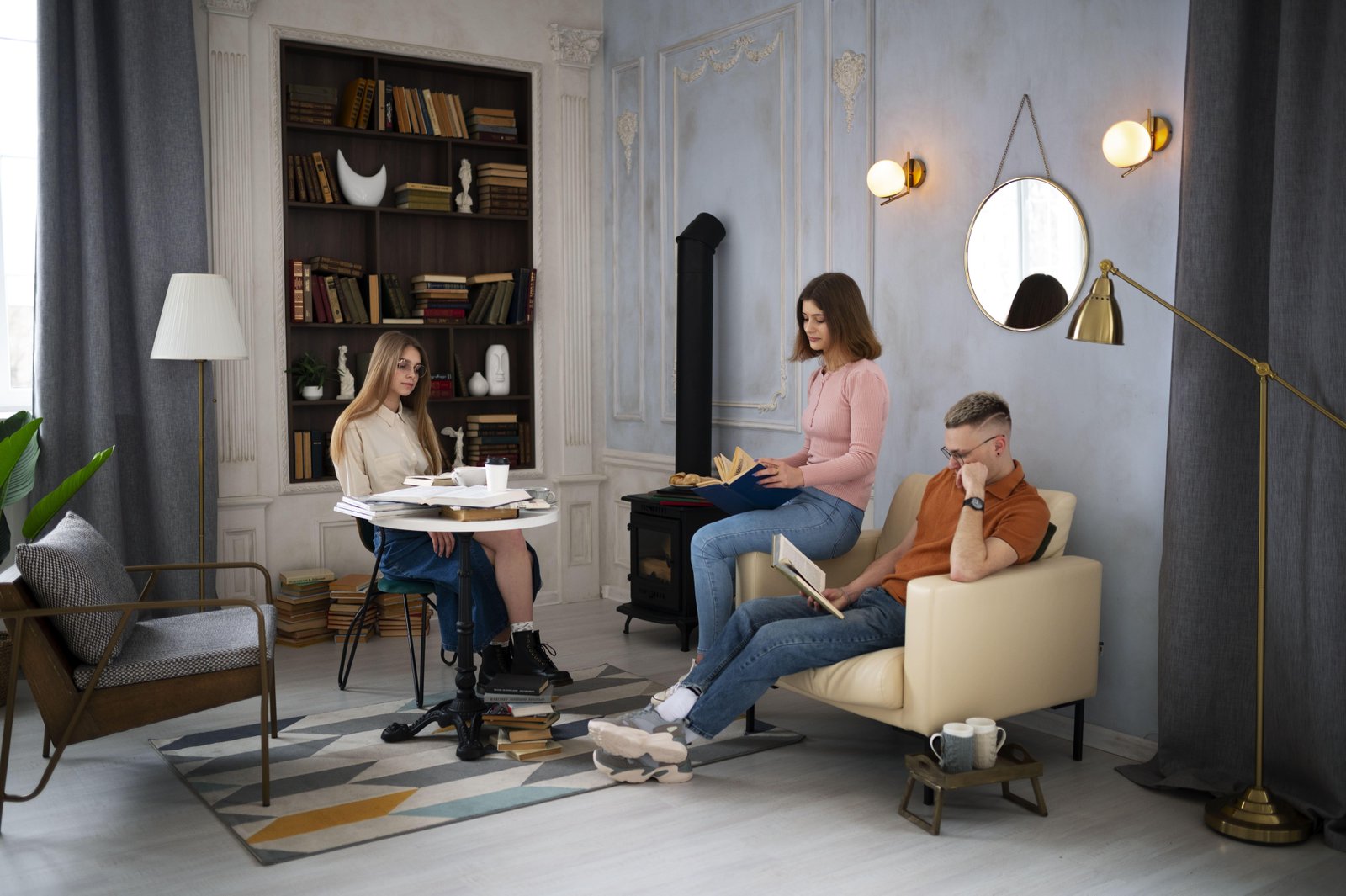
Our surroundings have a profound impact on how we feel, think, and move through daily life. Whether we realize it or not, the spaces we live in influence our stress levels, creativity, productivity, and even our relationships. This is why thoughtfully curated interiors and clutter-free environments feel so comforting—because design and organization directly shape our mental and emotional wellbeing. The psychology behind beautiful and organized spaces goes far beyond aesthetics; it touches on how humans interact with their environment and how that environment, in turn, supports or hinders personal growth and happiness.
Why Beautiful Spaces Make Us Feel Better
Beauty has always been deeply connected to human psychology. When a space is visually appealing—through color, symmetry, lighting, or style—it immediately triggers positive emotional responses. A beautiful space can make us feel calm, energized, inspired, or joyful. This is because the brain associates order and visual harmony with safety and comfort.
Colors, for example, play a major role. Soft earth tones can soothe the mind, while bright colors can stimulate creativity and movement. Natural materials like wood, stone, and plants ground us and create a sense of connection with nature. Clean lines and uncluttered surfaces speak to our desire for simplicity and balance. All of these elements work together to enhance how we experience a room.
Professionals from a home staging and design company understand this interplay and intentionally create environments that tap into emotional triggers. By arranging furniture, selecting décor, and balancing colors strategically, they elevate spaces in ways that instantly feel “right,” even if the viewer cannot explain why.
The Power of Organization on Mental Clarity
Clutter does more than make a room look messy—it overwhelms the brain. When we are surrounded by disorganized items, our mind subconsciously tries to make sense of all the visual stimuli, leading to stress, distraction, and fatigue. This is why many people feel mentally lighter after cleaning or organizing a room: the external chaos mirrors internal chaos.
Organized spaces support clearer thinking, better focus, and improved decision-making. Simple habits like assigning a place for everything, reducing unnecessary items, and keeping surfaces clean can dramatically change how a space feels. Even small shifts—like reorganizing a shelf or having functional storage baskets—can improve the flow of a room and make the entire home feel more manageable.
People often underestimate how deeply organization affects productivity. In a tidy environment, tasks feel easier, creativity flows naturally, and stress levels drop significantly. The mind relaxes when it doesn’t have to navigate visual or physical clutter.
How Design Influences Behavior and Emotion
The psychology of design extends beyond colors and décor—it shapes behavior. Organized, well-designed spaces subtly guide how people use them. For example, a cozy seating arrangement encourages conversation, while a bright kitchen layout can make cooking more enjoyable and efficient.
Thoughtful design supports routines and encourages positive habits. A well-lit workspace can boost productivity. A serene bedroom with soft tones and minimal clutter promotes better sleep. A living room with intentional décor creates a welcoming, social atmosphere.
Even the layout of furniture changes how we interact with a room. Open pathways invite movement, while cramped spaces feel chaotic and stressful. Humans naturally gravitate toward environments that feel balanced, spacious, and functional.
The Emotional Impact of Clean, Balanced Environments
Beautiful and organized spaces evoke specific emotions: peace, security, motivation, and sometimes even nostalgia. When a space is intentionally decorated, it becomes a reflection of care and attention. People tend to feel more valued and more at home in spaces that feel thoughtfully arranged.
Design elements such as soft textures, warm lighting, and intentional décor can create emotional comfort. Meanwhile, disorganized or visually chaotic spaces can trigger feelings of anxiety, overwhelm, or irritation. This is why many people enjoy hotel rooms—they are clean, organized, and curated to feel luxurious yet calm.
Modern lifestyles are fast-paced, and people increasingly crave environments that offer mental relief. A home that feels orderly and beautiful becomes a personal retreat—a place where one can unwind and recharge.
Why Humans Prefer Symmetry and Visual Harmony
The human brain is naturally drawn to symmetry and visual order. These patterns feel familiar and predictable, giving us a sense of control and comfort. When a room has balanced proportions, intentional décor placement, and organized elements, the brain experiences less cognitive load.
This preference is rooted in evolution: symmetry has long been associated with safety, stability, and aesthetic appeal. In modern design, symmetry appears in matching lamps, evenly spaced artwork, balanced furniture placement, and coordinated color schemes.
Even small touches—like grouping décor items in odd numbers or aligning shelves—contribute to visual harmony and psychological satisfaction.
Empty or Poorly Designed Spaces Can Feel Emotionally Flat
Just as clutter disrupts mental clarity, empty or poorly arranged spaces can feel cold or uninspiring. Humans are deeply emotional beings who respond strongly to visual cues in their environment. Without thoughtful design, a space may feel lifeless or disconnected.
This is why house staging has become so effective in real estate. By adding intentional design elements, furniture, and décor, staged homes evoke emotions and help potential buyers imagine a lifestyle within the space. A staged home feels warm, inviting, and functional—qualities that empty rooms cannot convey on their own.
How to Create Beautiful and Organized Spaces at Home
Creating psychologically uplifting spaces doesn’t require major renovations. Small, intentional choices can make a big difference:
-
Choose a calming, cohesive color palette
-
Keep only what you need or love
-
Use natural light and add layers of warm lighting
-
Arrange furniture to improve flow
-
Add greenery for freshness and life
-
Use baskets, shelves, and hidden storage to reduce visual clutter
-
Incorporate textures—rugs, cushions, throws—for comfort
-
Display meaningful décor instead of random items
These changes help create a home that feels balanced, visually appealing, and emotionally supportive.
Conclusion
Beautiful and organized spaces are more than visually pleasing—they shape how we feel, think, and function. By understanding the psychology behind design and organization, we can create environments that support wellbeing, reduce stress, and enhance everyday living. Whether through professional help or personal effort, thoughtful design plays a powerful role in transforming any home into a place of comfort, clarity, and emotional harmony.

 Arabic
 French
 Spanish
 Portuguese
 Deutsch
 Turkish
 Dutch
Dutch
 Italiano
 Russian
 Romaian
 Portuguese (Brazil)
 Greek
Greek