


 Leader Board
It Gets Its Poison from a Special Diet
What Does “Special Diet” Mean for This Bird?
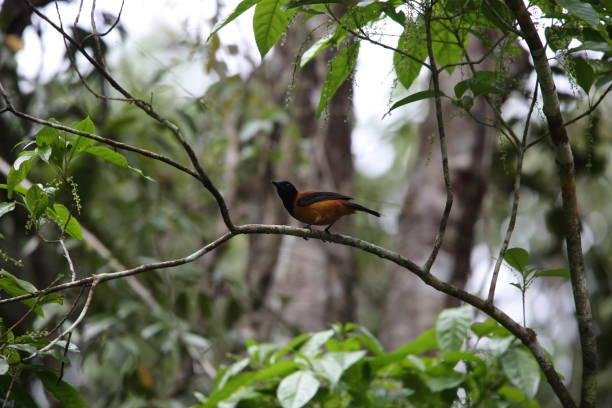
Some birds are not naturally poisonous. Instead, they become toxic because of the specific foods they consume. One of the most fascinating examples is the Hooded Pitohui, whose bright orange-and-black feathers hide a powerful secret: poison acquired through diet.
Scientists call this process bioaccumulation, where chemicals from consumed prey accumulate in the bird’s body over time. The bird’s diet directly determines how potent its poison is, making it a natural chemical weapon against predators.
How the Bird Acquires Its Poison
The Hooded Pitohui and other similar species do not produce toxins themselves. Instead, they eat insects and other small prey that already contain poisonous chemicals.
Key Sources of Poison
-
Toxic beetles from rainforest floors
-
Certain ants and insects with defensive chemicals
-
Occasionally, small arthropods carrying natural toxins
When the bird consumes these insects, the toxins are stored in its skin and feathers, making it harmful to anything that tries to eat or touch it.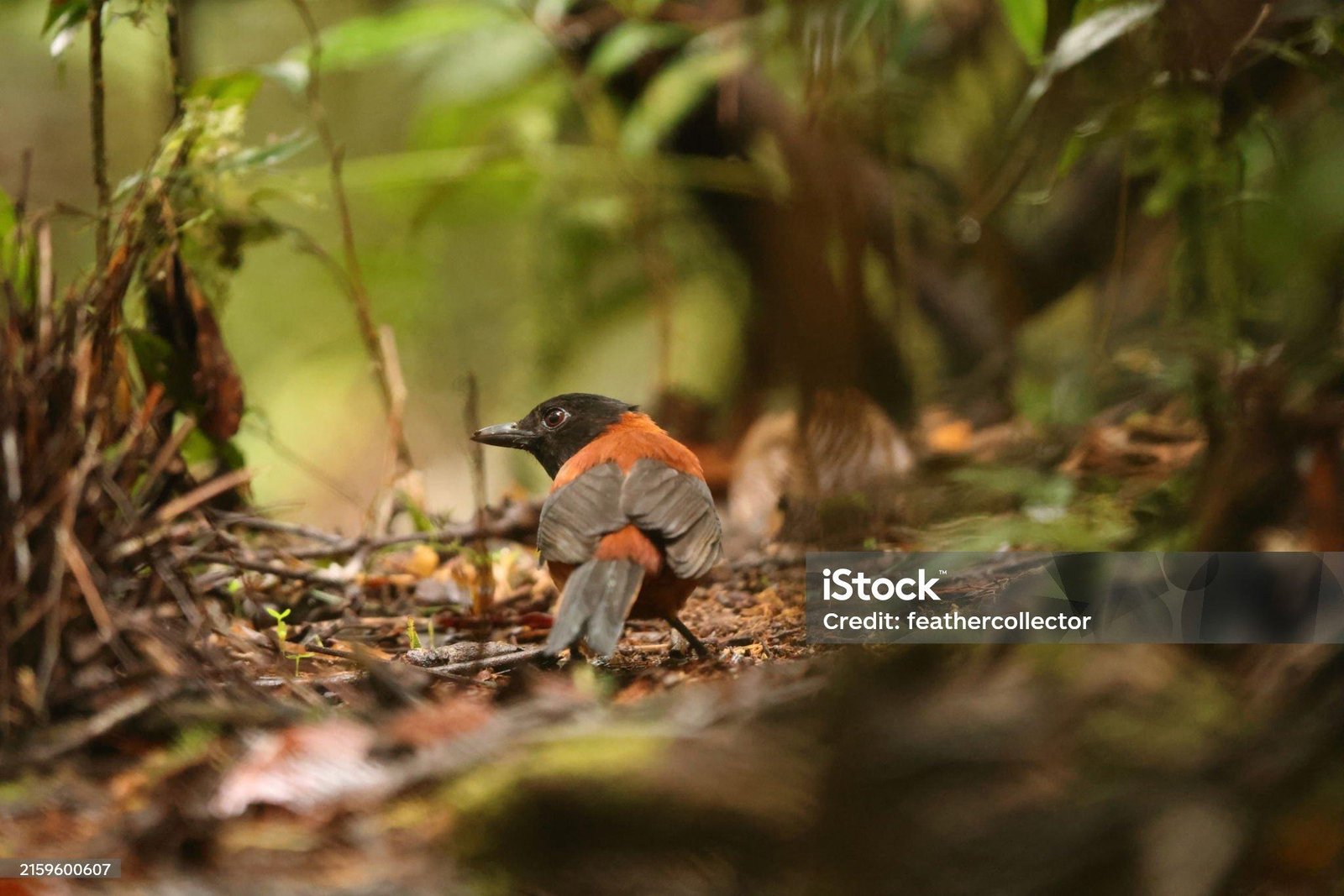
Why a Special Diet Is Necessary
A regular bird diet of seeds, fruit, or small animals would not make the bird poisonous. The bird’s survival depends on finding and consuming toxic insects.
Advantages of a Toxic Diet
-
Predators quickly learn to avoid the bird
-
Fewer attacks from parasites and pests
-
The bird’s warning coloration is reinforced by its actual chemical defense
This diet-toxin connection is rare in nature, making these birds unique among avian species.
How Poison Levels Vary
Interestingly, the bird’s toxicity can change with its diet. If the bird moves to an area with fewer toxic insects, its poison levels may decrease, making it slightly less dangerous. Conversely, birds with a rich diet of poisonous prey become more potent and better protected.
Environmental Influence
-
Rainforest regions with abundant toxic insects produce stronger birds
-
Seasonal changes affect which insects are available
-
Human disturbances can reduce the number of toxic insects, indirectly affecting the bird
Why Scientists Study Its Diet
Studying these birds helps researchers understand:
Scientific Insights
-
How bioaccumulation works in birds
-
The relationship between diet and survival mechanisms
-
The evolution of chemical defense in avian species
-
Possible applications in medicine and toxin research
Scientists have been amazed that a bird can effectively use its food as a life-saving chemical weapon, a strategy rarely seen in vertebrates.
Where Does This Diet-Based Poison Occur?
The Hooded Pitohui is native to Papua New Guinea, a hotspot for toxic insects and unique rainforest wildlife. Its specialized diet is only possible in this dense, biodiverse ecosystem.
Typical Habitats
-
Humid rainforest floors rich in beetles and ants
-
Areas with minimal human interference
-
Dense foliage providing protection while foraging
The bird’s survival depends on these environments, making habitat preservation essential for maintaining its natural poison levels.
How Dangerous Is This Poison?
The toxins accumulated in the feathers and skin are potent enough to cause numbness, burning, or irritation to humans and predators alike.
Safety Tips
-
Never touch or handle wild birds
-
Observe from a safe distance
-
Avoid disturbing natural habitats
Despite its danger, the bird is not aggressive and only poses a threat if handled incorrectly.
Conclusion
The Hooded Pitohui’s special diet turns it into one of nature’s most fascinating and chemically defended birds. By consuming toxic insects, the bird develops a potent defense mechanism that protects it from predators while remaining an incredible example of nature’s ingenuity. Its unique dietary habits, survival strategies, and striking appearance make it a true wonder of the avian world.
FAQs
How does the Hooded Pitohui get its poison?
It consumes specific toxic insects, which accumulate in its feathers and skin over time.
Can the bird still be dangerous if its diet changes?
Yes, though toxicity may decrease if the bird cannot access enough poisonous insects.
Why does this bird’s diet matter for its survival?
The toxins act as a defense against predators, and without them, the bird would be much more vulnerable.
Is this bird poisonous to humans?
Only if directly handled. Observing from a distance is completely safe.
Where can scientists study these diet-based toxins?
Primarily in the rainforests of Papua New Guinea, where toxic insects are abundant.

 English
 Arabic
 Spanish
 Portuguese
 Deutsch
 Turkish
 Dutch
Dutch
 Italiano
 Russian
 Romaian
 Portuguese (Brazil)
 Greek
Greek