


 Leader Board
Custom vs Standard Doors and Windows: Which Is Worth It?
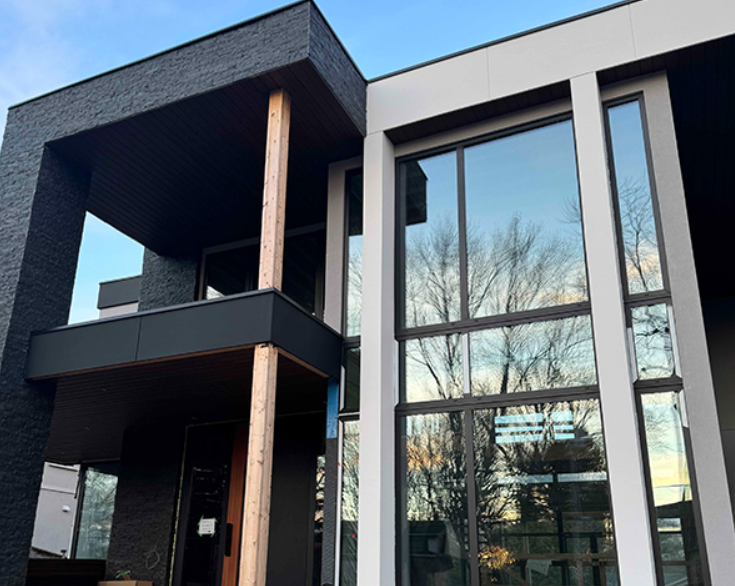
Upgrading your home’s doors and windows is one of the most impactful investments you can make for comfort, energy efficiency, and curb appeal. But homeowners often face a key question: should you go with standard, off-the-shelf options or invest in custom solutions?
Both options have their benefits, but the right choice depends on your home’s design, budget, and long-term goals. In this article, we break down the differences, costs, benefits, and timelines to help you make an informed decision.
What Are Standard Doors and Windows?
Standard doors and windows are pre-manufactured to common sizes and styles, ready for immediate installation. They are widely available in home improvement stores or through suppliers.
Advantages of Standard Options
-
Lower Cost – Standard sizes are mass-produced, making them more affordable upfront.
-
Quick Availability – No waiting for manufacturing; they can often be installed within days.
-
Wide Selection – Many colors, materials, and styles to choose from.
-
Simpler Installation – Standard sizes fit most home openings, reducing installation complexity.
Limitations
-
May not fit non-standard or older homes perfectly
-
Limited design options for unique aesthetics
-
Performance may not be optimized for extreme weather
What Are Custom Doors and Windows?
Custom doors and windows are made-to-order, tailored to your home’s exact dimensions, materials, and design preferences. They are ideal for unique openings, heritage homes, or homeowners seeking specific styles.
Advantages of Custom Options
-
Perfect Fit – Eliminates gaps, drafts, and heat loss caused by ill-fitting standard units.
-
Design Flexibility – Choose shapes, finishes, hardware, and glass types to match your home’s architecture.
-
Energy Efficiency – You can select premium insulating materials, triple glazing, and advanced coatings for better thermal performance.
-
Long-Term Durability – Often built with higher-grade materials and superior craftsmanship, lasting decades longer than standard units.
-
Increased Home Value – Custom designs enhance curb appeal and resale value.
Limitations
-
Higher upfront cost
-
Longer lead time for manufacturing and installation
-
Requires professional consultation and measurement
Cost Comparison: Custom vs Standard
| Feature | Standard | Custom |
|---|---|---|
| Upfront Cost | Low to Moderate | Moderate to High |
| Installation Time | 1–2 Days | 1–3 Weeks (plus manufacturing) |
| Lifespan | 15–20 Years | 25–40 Years |
| Energy Efficiency | Moderate | High |
| Design Options | Limited | Extensive |
| Home Value Impact | Moderate | High |
While custom options are more expensive initially, the long-term energy savings, comfort, and durability often offset the higher cost over time.
Which One Should You Choose?
Choose Standard If:
-
Your openings are common sizes
-
You want a budget-friendly option
-
You need quick installation
-
You are okay with limited design choices
Choose Custom If:
-
You have unique or older openings
-
Energy efficiency and long-term durability are priorities
-
You want a specific style or premium finish
-
You plan to stay in your home long-term or want to increase resale value
Other Considerations
-
Local Climate – For Canadian homes, extreme weather makes energy-efficient materials and proper sealing essential, favoring custom solutions in colder regions.
-
Professional Installation – Both options benefit from professional installation, but custom units especially require precise measurements and skill.
-
Warranty – Custom products often come with longer or more comprehensive warranties, providing peace of mind.
Final Thoughts
The choice between custom and standard doors and windows ultimately comes down to budget, design preference, and long-term goals. Standard units offer convenience and affordability, while custom solutions provide superior performance, design flexibility, and lasting value.
For homeowners looking to enhance comfort, energy efficiency, and curb appeal, custom Mississauga doors and windows are often the more worthwhile investment—even if they require a higher upfront cost and longer timeline.

 English
 Arabic
 Spanish
 Portuguese
 Deutsch
 Turkish
 Dutch
Dutch
 Italiano
 Russian
 Romaian
 Portuguese (Brazil)
 Greek
Greek