


 Leader Board
How a BIM Coordinator Improves Collaboration Between Engineering Teams
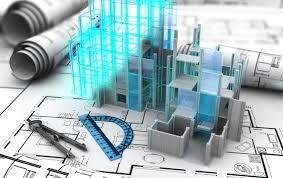
The construction industry in the UAE is evolving rapidly, with projects becoming increasingly complex, from towering skyscrapers in Dubai to expansive commercial developments in Abu Dhabi. Managing such large-scale projects requires meticulous coordination between multiple engineering disciplines, including structural, architectural, and MEP (Mechanical, Electrical, Plumbing) teams. One of the most critical roles in ensuring smooth collaboration is that of a BIM Coordinator. Companies like AEC7D are leveraging skilled BIM coordinators to streamline workflows, reduce errors, and deliver projects efficiently and on schedule.
Understanding the Role of a BIM Coordinator
A BIM Coordinator is responsible for managing the Building Information Modeling (BIM) process within a construction project. BIM is a digital representation of a building’s physical and functional characteristics, allowing stakeholders to plan, design, and manage the project more efficiently. The coordinator ensures that all project teams work on a shared, accurate digital model, adhering to agreed standards and workflows.
In the UAE, where construction timelines are tight and projects are highly intricate, a BIM Coordinator plays a pivotal role in ensuring that different engineering teams can collaborate effectively, avoiding delays and costly errors.
Centralizing Project Data for Better Communication
One of the main responsibilities of a BIM Coordinator is centralizing project data. Construction projects involve multiple teams, each generating a vast amount of information, including drawings, specifications, schedules, and models. A BIM Coordinator consolidates all this data into a single, accessible platform.
By centralizing information, engineering teams can access the latest designs, updates, and changes in real time. This transparency eliminates miscommunication, reduces duplication of work, and ensures that all teams are aligned. In large UAE projects, where structural engineers, architects, and MEP teams often work across different offices or even countries, having a centralized system managed by a BIM Coordinator is crucial for maintaining efficiency. AEC7D has successfully implemented centralized BIM platforms for its projects, enabling seamless data sharing between all engineering teams.
Facilitating Real-Time Collaboration
A BIM Coordinator ensures that all teams work collaboratively in real time. Changes made by one team are immediately visible to others, allowing teams to adjust their work accordingly. This real-time collaboration prevents conflicts, improves coordination, and speeds up the design process.
For instance, if the structural team modifies a beam layout, the MEP team can instantly see the change and adjust ductwork or piping designs to avoid clashes. In high-rise projects common in the UAE, where every floor and system must be carefully coordinated, this ability to collaborate in real time is invaluable. AEC7D uses advanced BIM collaboration tools to facilitate smooth interaction between diverse engineering teams, ensuring projects remain on track.
Clash Detection and Problem-Solving
Clash detection is one of the most significant advantages provided by a BIM Coordinator. In complex projects, conflicts often occur between different systems—for example, HVAC ducts interfering with electrical conduits or structural elements. Detecting these clashes during construction can be extremely costly and time-consuming.
A BIM Coordinator uses specialized software to identify and resolve clashes during the design phase. This proactive approach not only saves time and money but also improves overall project quality. In the UAE, where high-rise buildings and mixed-use developments are dense with systems and components, early clash detection is essential. AEC7D ensures that BIM coordinators use sophisticated clash detection techniques to minimize risks and prevent on-site issues.
Standardizing Workflows and Best Practices
BIM Coordinators are responsible for establishing and enforcing standardized workflows across all engineering teams. This includes setting naming conventions, layer management, file structures, and modeling standards. Standardization ensures that everyone follows the same protocols, making collaboration smoother and reducing errors.
In multinational UAE projects, teams often come from different backgrounds and may use different practices. A BIM Coordinator harmonizes these approaches, ensuring consistency and quality across the project. AEC7D emphasizes strict adherence to standardized workflows, allowing engineers to focus on their core tasks without worrying about misalignment with other teams.
Supporting Design Accuracy and Quality Control
By managing the BIM process, coordinators improve the accuracy of designs and maintain quality control throughout the project lifecycle. They review models, check for inconsistencies, and ensure that all design elements comply with project requirements and local building codes.
For UAE projects, where precision is paramount, the role of a BIM Coordinator becomes even more critical. Accurate modeling reduces the likelihood of design errors, minimizes rework, and ensures that the building performs as intended. AEC7D employs BIM coordinators who rigorously check models for accuracy, ensuring high-quality outcomes for every project.
Enhancing Project Visualization and Decision-Making
BIM Coordinators also play a key role in project visualization. By integrating data from multiple disciplines, they create comprehensive 3D models that provide stakeholders with a clear view of the building’s design and systems. These models facilitate better decision-making, allowing clients, architects, and engineers to identify potential issues early and make informed choices.
In the UAE’s competitive construction environment, where clients often demand real-time progress updates and design clarity, effective visualization can significantly improve project outcomes. AEC7D’s BIM coordinators ensure that stakeholders have access to clear, accurate visualizations that enhance communication and decision-making.
Improving Efficiency and Reducing Costs
By coordinating collaboration, detecting clashes early, standardizing workflows, and improving design accuracy, BIM coordinators directly contribute to project efficiency and cost savings. Reducing errors and rework minimizes material wastage, labor costs, and delays, making projects more economical and sustainable.
High-rise and large-scale commercial projects in the UAE often involve substantial budgets, so the ability of a BIM Coordinator to optimize workflows and prevent costly mistakes is highly valuable. AEC7D demonstrates how effective BIM coordination can lead to faster project delivery and significant cost reductions.
Facilitating Facility Management Post-Construction
The role of a BIM Coordinator extends beyond construction. The BIM models managed and maintained during the project serve as a digital twin for facility management. Detailed information about structural elements, MEP systems, and architectural features can be used for maintenance, renovation, or expansion in the future.
For UAE clients, this capability is particularly important as it ensures that high-value buildings remain operational and well-maintained over time. AEC7D ensures that BIM models are comprehensive and accessible, supporting clients in managing their facilities efficiently long after construction is complete.
Conclusion
A BIM Coordinator plays an indispensable role in improving collaboration between engineering teams in UAE construction projects. By centralizing data, facilitating real-time communication, detecting clashes, standardizing workflows, and maintaining quality control, BIM coordinators ensure that complex projects run smoothly and efficiently. Companies like AEC7D are at the forefront of leveraging BIM coordination to deliver high-quality, on-time, and cost-effective construction projects.
In an era where UAE construction projects are becoming increasingly ambitious and intricate, the role of a BIM Coordinator is no longer optional—it is essential. Effective coordination ensures that engineering teams can collaborate seamlessly, reducing risks, improving accuracy, and achieving successful project outcomes.

 Arabic
 French
 Spanish
 Portuguese
 Deutsch
 Turkish
 Dutch
Dutch
 Italiano
 Russian
 Romaian
 Portuguese (Brazil)
 Greek
Greek