


 Leader Board
Breaking the Stigma: Why Everyone Should Consider an HIV Test?
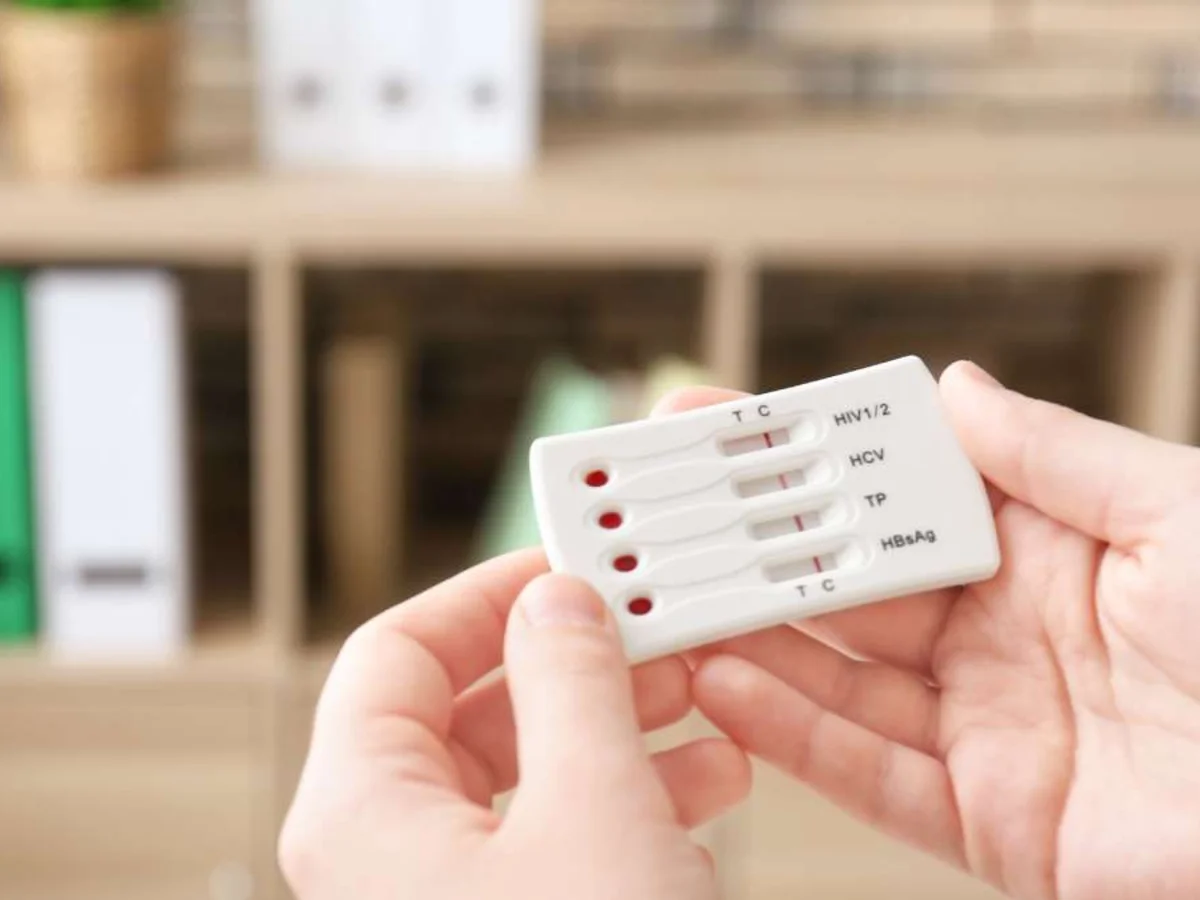
HIV testing is a critical aspect of sexual health, yet stigma continues to prevent many individuals from seeking testing. Fear of judgment, misconceptions about HIV transmission, and anxiety about results often discourage proactive health measures. Breaking the stigma around HIV testing is essential for early detection, effective treatment, and maintaining public health. Understanding why everyone should consider an HIV test helps normalize testing, promote prevention, and empower individuals to take control of their health.
Understanding the Stigma Around HIV Testing:
Stigma around HIV Test in Dubai often stems from societal misconceptions:
-
Associating HIV with certain lifestyles or behaviors.
-
Fear of discrimination if test results are positive.
-
Anxiety about the testing process or potential outcomes.
These perceptions can prevent individuals from accessing preventive care, delaying diagnosis, and increasing the risk of transmission. Addressing these barriers is crucial for fostering a culture of proactive sexual health.
Why HIV Testing Is Important for Everyone?
HIV testing is not limited to high-risk groups—it benefits everyone:
-
Early Detection: Identifying HIV early allows for prompt initiation of antiretroviral therapy, which preserves immune function and reduces viral load.
-
Prevention of Transmission: Knowing your status helps protect partners through informed decisions, safe sexual practices, and preventive measures like PrEP.
-
Peace of Mind: Testing provides reassurance and helps individuals make informed health choices.
-
Public Health Impact: Routine testing contributes to reduced community HIV prevalence and supports global efforts to control the epidemic.
Framing HIV testing as a routine health practice helps dismantle stigma and encourages widespread participation.
Debunking Common Misconceptions About HIV Testing:
Many myths contribute to fear and stigma:
-
Myth: Only people with multiple sexual partners need testing.
Fact: Anyone who is sexually active, shares needles, or has had potential exposure can benefit from testing. -
Myth: HIV testing is painful or invasive.
Fact: Most tests are minimally invasive, using a finger-prick blood sample, oral swab, or routine blood draw. -
Myth: A negative result immediately after exposure guarantees no infection.
Fact: The window period means retesting may be needed for accurate results.
Debunking these misconceptions empowers individuals to approach HIV testing without fear or misunderstanding.
Overcoming Emotional Barriers:
Fear and anxiety are natural, but preparation can help:
-
Education: Understanding the testing process, types of tests, and the window period reduces uncertainty.
-
Support: Bringing a trusted friend or accessing counseling helps manage stress.
-
Perspective: Viewing testing as a responsible health measure rather than a judgment about behavior fosters a positive mindset.
Emotional readiness ensures that individuals can approach HIV testing with confidence and clarity.
Types of HIV Tests and Their Accessibility:
Modern HIV tests are accurate, quick, and accessible:
-
Rapid HIV Tests: Provide results within 20–30 minutes using a finger-prick or oral swab.
-
Antigen/Antibody Combination Tests: Detect infection earlier during the window period, typically 2–6 weeks post-exposure.
-
Nucleic Acid Tests (NATs): Detect HIV RNA directly and identify infection as early as 10–33 days post-exposure.
Testing options are available in clinics, community centers, and through approved home kits, ensuring accessibility and privacy for everyone.
Integrating HIV Testing Into Routine Health Care:
Normalizing HIV Test involves making it part of regular health check-ups:
-
Combine testing with routine STI screenings for comprehensive sexual health.
-
Schedule regular testing based on risk factors, exposure history, and window period guidelines.
-
Use testing results to inform preventive measures such as condoms, PrEP, and safer sexual practices.
-
Encourage open conversations about sexual health to reduce stigma and support community wellness.
Routine integration of HIV testing reinforces its role as a standard health practice, not a marker of judgment.
The Benefits of Early Testing and Treatment:
Early detection provides numerous advantages:
-
Initiation of antiretroviral therapy reduces viral load, strengthens the immune system, and improves long-term health outcomes.
-
Decreases the likelihood of transmitting HIV to sexual partners.
-
Allows for better planning and access to preventive measures.
-
Contributes to community health by reducing overall HIV prevalence.
These benefits highlight why proactive HIV testing is a vital responsibility for everyone.
Conclusion:
Breaking the stigma surrounding HIV testing is essential for personal and public health. Testing is a responsible, empowering, and proactive measure that benefits everyone, not just high-risk groups. Understanding the testing process, debunking myths, addressing emotional barriers, and integrating testing into routine healthcare normalizes HIV screening and encourages early detection. By choosing to know your status, you protect yourself, your partners, and your community, while contributing to a healthier, stigma-free society. HIV testing is not just a medical procedure—it is a step toward empowerment, prevention, and long-term well-being.

 English
 Arabic
 French
 Spanish
 Deutsch
 Turkish
 Dutch
Dutch
 Italiano
 Russian
 Romaian
 Portuguese (Brazil)
 Greek
Greek