


 Leader Board
Dermal Fillers in Dubai: What Patients Really Experience
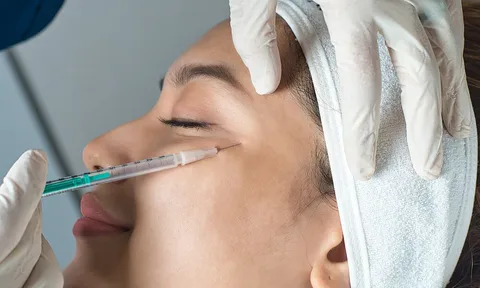
For many considering dermal fillers in Dubai, concerns about pain, swelling, and realistic results often outweigh curiosity about the treatment itself. Patients frequently ask how natural the outcome looks, how long recovery takes, and whether the procedure is genuinely safe. In a clinical setting, we observe these questions daily and provide evidence-based guidance to ensure patients can make informed decisions. This article offers a practical, experience-driven perspective, covering what fillers feel like during injection, realistic downtime, and what patients often overlook before booking their appointment.
What Do Dermal Fillers Actually Feel Like?
Patients often report a mild stinging or pinching sensation during the injection. The experience can vary depending on the filler’s viscosity and the treatment area. Areas with thinner skin, such as under the eyes, are more sensitive, while the cheeks or jawline tend to tolerate injections better. Many clinics use topical numbing creams or local anesthetic within the filler to minimize discomfort. Based on post-procedure follow-ups, most patients describe the sensation as brief and tolerable rather than painful.
How Long Does Swelling and Bruising Last?
Mild swelling or bruising is common and usually peaks within 24–48 hours. In most cases, these effects resolve within 5–7 days, though under-eye treatments may take up to 10 days for complete normalization. Clinical observation shows that cold compresses and avoiding strenuous activity for 24 hours can reduce swelling. Patients with a history of sensitive skin or easy bruising should discuss preventive measures with their dermatologist.
Are Dermal Fillers Safe?
When performed by qualified professionals, dermal fillers are generally safe. Contraindications include pregnancy, active skin infections, and certain autoimmune conditions. Rare risks such as vascular occlusion or allergic reactions require immediate attention but occur in less than 1% of procedures. Safety is also influenced by technique: proper injection depth, filler type, and volume are critical factors. In a clinical setting, practitioners carefully select filler viscosity and injection method based on individual anatomy to minimize complications.
What Results Can You Realistically Expect?
Results vary depending on the treatment area, filler type, and patient anatomy. Cheeks typically show immediate volume restoration, while lip treatments may require a week to achieve their final shape due to mild swelling. Patients often report feeling fuller or more contoured within 48 hours, but subtle refinements may take up to two weeks. Longevity depends on the product and lifestyle factors; hyaluronic acid fillers generally last 6–18 months.
How Do Practitioners Choose the Right Filler?
Dermatologists consider skin thickness, treatment goals, and facial anatomy. High-viscosity fillers are ideal for deep folds or volumizing the cheeks, while softer fillers suit fine lines and lip contouring. The injection technique—cannula versus needle—affects both comfort and risk of bruising. Clinical experience shows that personalized planning often leads to more natural results and reduced downtime.
Downtime: What Patients Should Know
Unlike surgical procedures, dermal fillers require minimal downtime. Most patients return to normal activities immediately, though they are advised to avoid intense exercise, heat exposure, or alcohol for 24 hours. Temporary swelling or redness is typically the only visible sign of treatment. Patients often report feeling “ready to face the day” with minor adjustments such as light makeup covering small bruises.
Comparison Table: Filler Types and Expected Recovery
| Filler Type | Typical Duration | Common Treatment Areas | Expected Downtime | Patient Sensation |
|---|---|---|---|---|
| Hyaluronic Acid | 6–18 months | Lips, cheeks, nasolabial folds | 1–3 days | Mild stinging, tolerable |
| Calcium Hydroxylapatite | 12–18 months | Cheeks, jawline | 2–4 days | Pressure and mild pinching |
| Poly-L-lactic Acid | 12–24 months | Cheeks, temples | 3–5 days | Minimal discomfort, gradual plumping |
Patient Experiences
"I was nervous about the pain, but the numbing cream worked well. I only felt a brief pinch, and by the next day, the swelling was barely noticeable." – Sarah, 32
"I worried about looking unnatural, but the doctor explained each step and tailored the filler perfectly. Two days later, I felt confident and comfortable with my new look." – Ahmed, 45
Frequently Asked Questions
Can I get fillers if I have sensitive skin?
Yes, but practitioners often recommend a patch test or start with smaller volumes. Sensitive skin may swell more easily, so post-procedure care is essential.
Are results immediate?
Partial results appear immediately, but swelling and subtle settling may take up to two weeks to reveal the final effect.
How painful is the procedure?
Pain is generally mild and brief. Topical anesthetic or anesthetic in the filler further reduces discomfort.
Can fillers be reversed?
Hyaluronic acid fillers can be dissolved with hyaluronidase in case of dissatisfaction or complication. Other filler types are more permanent and require professional assessment.
Is there any restriction after treatment?
Avoid extreme heat, alcohol, and vigorous exercise for 24 hours. Make-up can usually be applied the same day with care.
Why Choose Tajmeels Clinic
At Tajmeels Clinic, clinical expertise and patient comfort are prioritized. We combine advanced filler technologies with personalized treatment planning, ensuring both natural-looking results and a safe experience for all patients.

 English
 Arabic
 French
 Spanish
 Portuguese
 Deutsch
 Dutch
Dutch
 Italiano
 Russian
 Romaian
 Portuguese (Brazil)
 Greek
Greek