


 Leader Board
Organic Coconut Oil Suitable for Vegan and Natural Diets
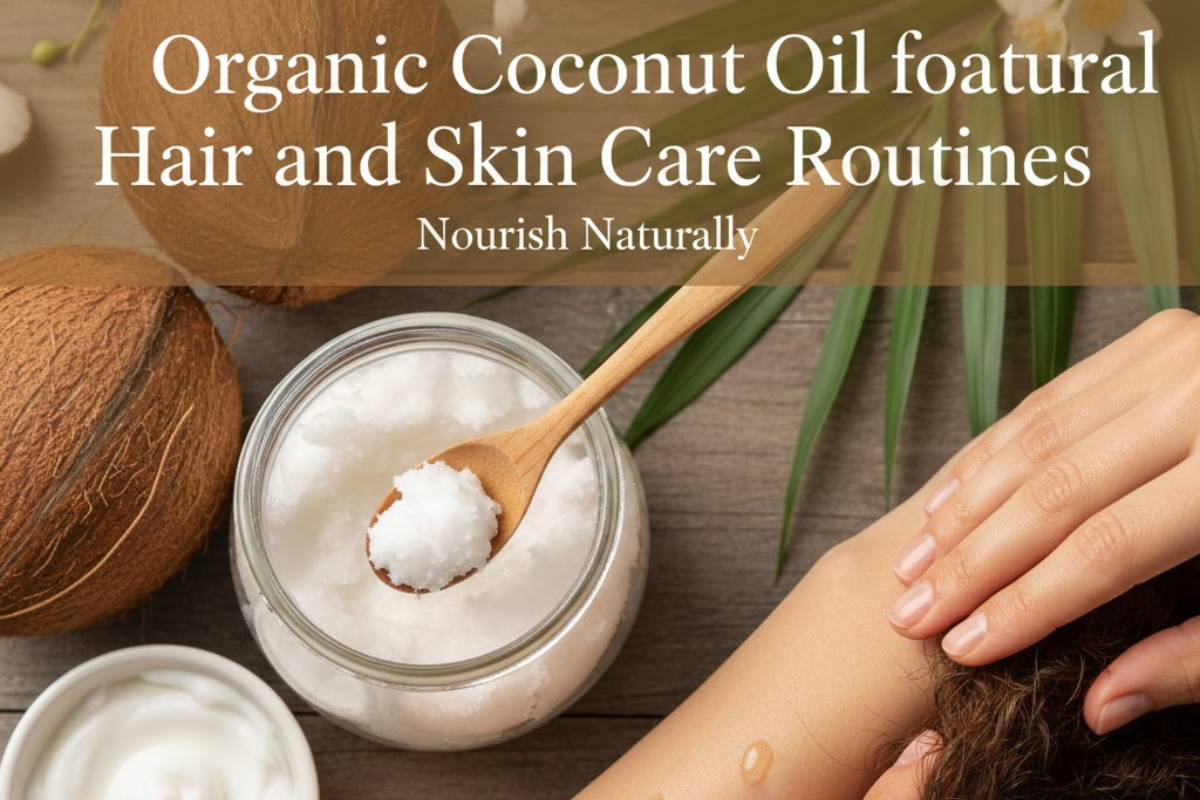
Some foods quietly sit in your kitchen for years before you realize how much you rely on them. Coconut oil is like that. One jar. Many uses. Cooking one day, skin care the next, hair rescue on weekends. Somewhere between breakfast and bedtime, it just fits.
In the middle of this shift toward cleaner eating and plant-based habits, organic coconut oil keeps showing up. Not loudly. Not with flashy promises. It just does its thing, which might be why people keep coming back to it.
There’s comfort in ingredients you recognize.
Why Coconut Oil Feels at Home in Vegan Kitchens
Vegan cooking leans heavily on ingredients that pull double duty. Coconut oil does that without trying too hard. It replaces butter in baking. It handles heat without falling apart. It adds subtle richness without screaming coconut in every dish.
Some mornings it melts into oatmeal. Other days it sizzles under vegetables in a pan. You don’t plan it. You just reach for it.
That flexibility matters when your diet avoids animal products but still craves warmth and texture.
Organic Matters More Than People Admit
Not all coconut oil is the same. That’s obvious after you’ve tried a few brands.
Organic coconut oil usually smells cleaner. Lighter. Less processed. The texture feels smoother when it melts. There’s no strange aftertaste that makes you pause mid-bite.
For people focused on natural diets, that difference counts. Organic farming avoids synthetic chemicals that feel out of place in simple food routines. You notice it even if you don’t analyze it.
Sometimes food just tastes calmer.
Cold-Pressed and What That Means in Real Life
You’ll hear “cold-pressed” a lot around coconut oil. It sounds technical. It’s not that complicated.
Cold-pressed oil comes from fresh coconut meat pressed without extreme heat. Less heat means the oil keeps more of its natural aroma and color. It also explains why the oil solidifies at room temperature and melts quickly once warmed.
You open the jar. The smell is gentle. Not overpowering. That’s usually a good sign.
Cooking With Coconut Oil Without Overthinking It
There’s a myth that coconut oil only belongs in tropical recipes. Not true.
It works for sautéing vegetables, roasting potatoes, frying tofu, even greasing baking pans. The mild flavor fades into the background once heated. That surprises people.
I’ve watched friends hesitate before using it in savory dishes. Then they try it once. After that, it becomes normal.
High heat cooking feels easier too. The oil stays stable, which means fewer burnt smells filling the kitchen.
Beyond Food: Coconut Oil in Daily Routines
Vegan and natural lifestyles often blur the line between food and self-care. Coconut oil crosses that line easily.
A small amount softens dry skin. A dab smooths flyaway hair. Some people use it for oil pulling in the morning, though that takes patience and a strong gag reflex.
It’s the kind of product you keep nearby because it solves small problems without needing instructions.
Reading Labels Without Getting a Headache
Ingredient lists can feel like puzzles. Organic coconut oil usually keeps it simple. One ingredient. That’s it.
No fillers. No preservatives. No mystery words. If the label gets complicated, something’s off.
People drawn to natural diets often trust foods that don’t ask them to decode anything. Coconut oil fits that expectation.
Texture, Temperature, and Small Surprises
Coconut oil changes with the weather. Solid in cooler rooms. Liquid in warm kitchens. That’s normal, though it surprises first-time users.
Scoop it when solid. Pour it when melted. Both feel oddly satisfying.
That physical change reminds you the oil isn’t overly processed. It behaves like something real.
Vegan Baking and That Subtle Difference
Baking without dairy can feel intimidating. Coconut oil helps bridge that gap.
It adds moisture to cakes. Flakiness to pastries. Richness to cookies. The coconut flavor usually fades once sugar and spices join the mix.
I’ve swapped butter for coconut oil in recipes out of curiosity. Most people never noticed. Some asked for seconds.
Storage and Shelf Life Without Stress
Organic coconut oil doesn’t demand much attention. Keep the lid closed. Store it away from direct sunlight. That’s enough.
It lasts a long time. Months. Sometimes years. No rush to use it up.
That reliability matters when you’re stocking a pantry with intention.
Why People Stick With Coconut Oil Long-Term
Trends come and go. Coconut oil stays.
Maybe it’s the versatility. Maybe it’s the comfort of familiarity. Or maybe it’s because it quietly supports choices people already want to make.
Vegan diets focus on plants. Natural diets focus on simplicity. Coconut oil sits at the intersection without drama.
Choosing the Right One Without Overthinking
Look for organic labeling. Cold-pressed if possible. Minimal packaging. Clear sourcing.
Past that, trust your senses. Smell it. Touch it. Taste a tiny bit.
Food shouldn’t feel like a test.
A Jar That Earns Its Spot
Organic coconut oil doesn’t ask for attention. It earns it over time. Through meals cooked. Skin softened. Small moments solved.
You might forget how long it’s been in your kitchen. Then one day you run out. Suddenly, everything feels slightly harder.
That’s when you realize how quietly useful it’s been all along.
And you add another jar to the cart without much thought.

 English
 Arabic
 French
 Spanish
 Portuguese
 Deutsch
 Dutch
Dutch
 Italiano
 Russian
 Romaian
 Portuguese (Brazil)
 Greek
Greek