


 Leader Board
The Essential Guide to the Reflex Hammer
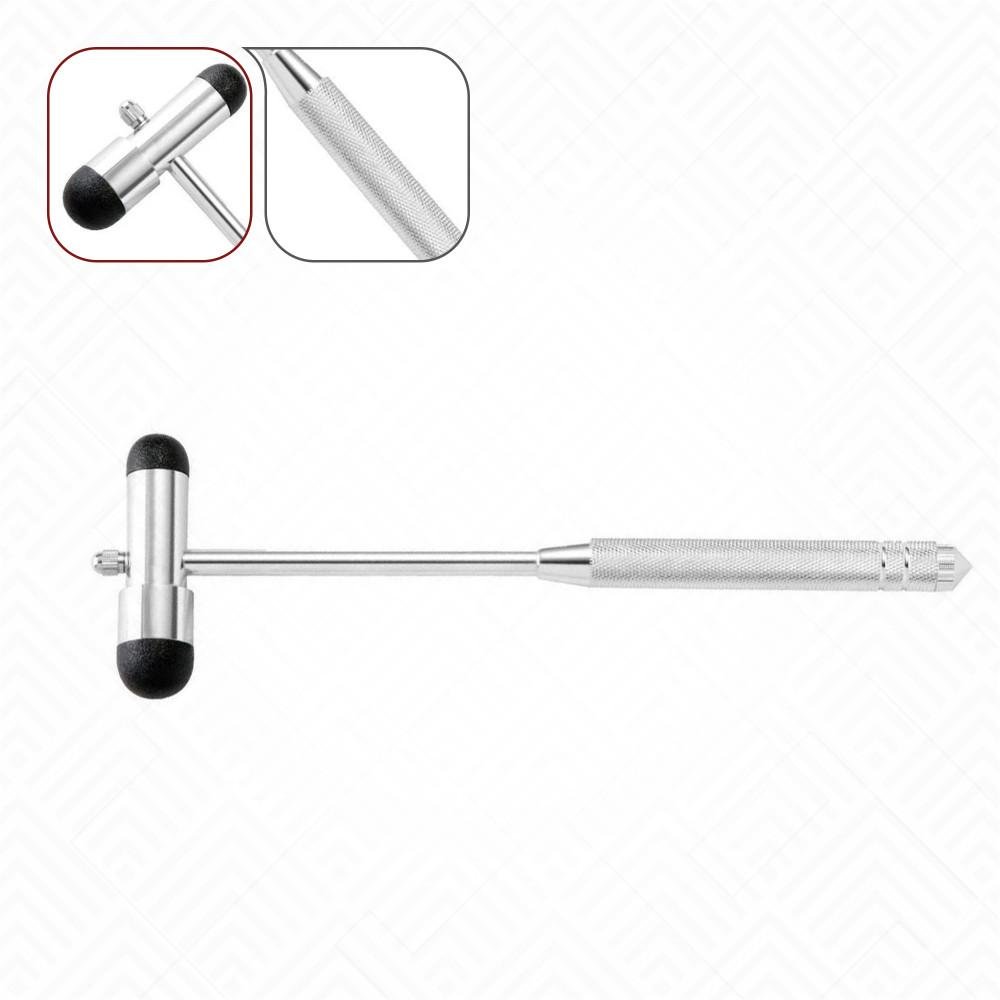
A cornerstone of the neurological examination, the reflex hammer is a simple yet profoundly insightful tool. Its proper use can reveal critical information about the central and peripheral nervous systems, making it indispensable for clinicians. For surgeons, medical students, and healthcare professionals dedicated to achieving precise outcomes, understanding this instrument is fundamental. New Med Instruments is committed to providing superior surgical instruments and exceptional service, ensuring every professional has access to tools that deliver perfect and precise results for their patients.
Understanding the Role of the Reflex Hammer
At its core, the reflex hammer is designed to elicit deep tendon reflexes, a key component of a comprehensive physical exam. When a tendon is struck correctly, it stretches the muscle it's attached to. This stretching activates sensory receptors, sending a signal along a nerve to the spinal cord. The spinal cord then sends a motor signal back to the muscle, causing it to contract. This entire process, known as the reflex arc, provides a window into the integrity of the nervous system.
The Different Types and Their Applications
Not all reflex hammers are created equal. Different designs have been developed over the years, each with specific advantages that cater to various clinical situations and user preferences. The choice of instrument can influence the ease and accuracy of eliciting reflexes.
The Taylor or Tomahawk Reflex Hammer
Perhaps the most recognized design is the Taylor reflex hammer. Shaped like a tomahawk with a triangular rubber head, it is a classic tool often seen in general medical settings. Its pointed end is useful for eliciting plantar and abdominal reflexes, while the flat sides are used for testing deep tendon reflexes. While lightweight and easy to carry, some clinicians find it requires more skill to produce a consistent reflex response compared to heavier models.
The Queen Square Reflex Hammer
Favored by neurologists, the Queen Square hammer features a plastic handle with a round metal head and a plastic bumper. Its notable weight allows the hammer to do most of the work, swinging in a pendular motion to deliver a firm but gentle tap. The pointed end of the handle is designed for testing plantar reflexes. This particular reflex hammer is praised for its ability to elicit reflexes more easily, making it a preferred tool for detailed neurological assessments.
The Babinski and Buck Reflex Hammers
The Babinski hammer features a handle that unscrews to reveal a sharp pin for sensory testing, though this feature is used less frequently today due to infection control concerns. Its head is often a circular, flat disc that can be positioned perpendicular to the handle. The Buck hammer is another versatile tool, often incorporating both a large and a small rubber mallet, along with a removable needle and brush for sensory examination, making it a compact, all-in-one option.
Proper Technique for Accurate Results
Using a reflex hammer effectively is a skill refined with practice. The key is a swift, direct strike on the appropriate tendon. The patient should be relaxed, and the limb positioned correctly to ensure the muscle is in a neutral state. The examiner should hold the taylor hammer loosely, allowing it to swing freely from the wrist, much like a pendulum. This technique ensures that the force comes from the weight of the hammer itself, rather than muscular effort from the examiner, leading to more consistent and reliable results.
Interpreting the Reflex Response
The response elicited by the reflex hammer is graded on a scale, typically from 0 (no response) to 4+ (very brisk, hyperactive with clonus). A normal response is usually graded as 2+. Asymmetry in reflexes, or the absence or exaggeration of a response, can indicate a neurological issue. For instance, diminished reflexes might suggest a peripheral nerve problem, while hyperactive reflexes could point to an upper motor neuron lesion.
The Importance of Quality and Precision
For healthcare professionals who demand accuracy, the quality of their diagnostic tools is paramount. A well-balanced and properly constructed reflex hammer ensures that each test is performed under optimal conditions, removing variables that could skew results. This dedication to precision is at the heart of patient care. New Med Instruments shares this commitment, providing high-quality instruments that clinicians can trust to perform flawlessly, helping them achieve the perfect and precise results their patients deserve.

 Arabic
 French
 Spanish
 Portuguese
 Deutsch
 Turkish
 Dutch
Dutch
 Italiano
 Russian
 Romaian
 Portuguese (Brazil)
 Greek
Greek