


 Leader Board
Tummy Tuck in Dubai: Pain Management During Recovery Phase
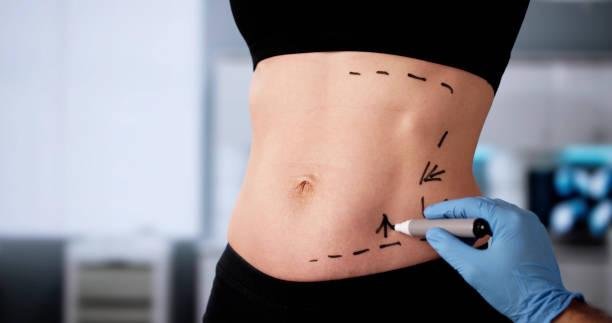
The most common deterrent for patients considering a Tummy Tuck in Dubai is the fear of post-operative pain. Because abdominoplasty involves significant manipulation of both the skin and the underlying musculature, the body’s inflammatory response is robust. However, modern surgical protocols have transitioned from "reactive" pain management to "proactive" comfort strategies. In clinical settings, we observe that by combining long-acting local blocks with structured medication schedules, the "intensity" of recovery is significantly dampened. This guide explores the clinical tools and sensory expectations involved in managing discomfort, ensuring your journey to a flatter abdomen is as smooth as possible.
The Multimodal Approach to Clinical Comfort
In clinical settings, we no longer rely on a single type of medication. Instead, we use a "multimodal" strategy that targets pain receptors through different biological pathways.
-
TAP Blocks (Transversus Abdominis Plane): During surgery, long-acting local anesthesia is injected between the muscle layers. This "numbs" the abdominal wall for 24 to 72 hours, covering the most critical window of recovery.
-
Scheduled Analgesics: Rather than waiting for pain to occur, we provide a strict schedule of medications to keep the body in a "constant state of comfort."
-
Anti-Inflammatories: These reduce the "throbbing" sensation by minimizing the localized swelling that puts pressure on sensory nerves.
-
Muscle Relaxants: Much of the discomfort in a tummy tuck comes from the "tightness" of the muscle repair; these medications help the internal corset settle without spasms.
What are the Actual Pain Levels During the First 48 Hours?
Is the pain as intense as people imagine?
With modern TAP blocks, many patients wake up feeling surprisingly "numb" rather than in sharp pain. On a scale of 1–10, the first two days are typically rated at a 6/10—described mostly as "extreme pressure" or "intense muscle soreness." Based on post-procedure follow-ups, the sensation is often compared to the feeling of having performed thousands of sit-ups. By day four, as the internal blocks wear off and the inflammatory peak passes, most patients see their discomfort drop to a manageable 3/10.
Real Patient Sensations: Pressure vs. Sharpness
Understanding what you will feel helps differentiate between normal healing and issues that require clinical attention.
What sensations are normal during the first week of recovery?
-
The "Band" Sensation: You will feel a constant tightness around your midsection, as if a very firm belt is fastened around your waist.
-
The "Burning" Tingle: As the local anesthesia wears off, you may feel a warm or "zapping" sensation. This is a positive clinical sign that your sensory nerves are beginning to wake up.
-
The "Coughing" Sharpness: Sudden movements, like sneezing or laughing, can cause a sharp "tugging" sensation. In clinical settings, we teach the "splinting" technique—holding a pillow firmly against your stomach during these moments to stabilize the area and eliminate the sharp pull.
Comparison: Pain Management Techniques
| Technique | How it Works | Sensory Result |
| Local Nerve Blocks | Injected during surgery | 48–72 hours of "numbness" in the skin |
| Oral Medications | Systemic relief | Dulles the overall "ache" of the torso |
| Compression Therapy | Stabilizes the tissues | Reduces the "jiggling" sensation during movement |
| Positioning (V-Shape) | Relieves tension on sutures | Eliminates the "stretching" pain when lying down |
Who Should Discuss Specific Pain Protocols with Their Surgeon?
Are some patients more sensitive to post-op discomfort?
Clinical safety involves personalizing the pain plan based on your history.
-
High Opioid Tolerance: If you regularly use pain medication, we must adjust your clinical protocol to ensure it is effective.
-
Chronic Back Pain: Patients with pre-existing back issues may feel more discomfort from the "hunched" walking posture than from the abdominal incision itself.
-
Anxiety Sensitivity: Patients with high pre-operative anxiety often perceive pain more acutely; we prioritize "calming" protocols to help the nervous system stay regulated.
Why Choose Tajmeels Clinic for a Comfortable Recovery?
At Tajmeels Clinic, we believe that "pain-free" is a clinical goal, not just a luxury. Our surgeons utilize advanced, ultra-fine suturing and "nerve-sparing" dissection to minimize the initial trauma to the abdominal wall. We provide a 24/7 "Comfort Hotline" where patients can speak directly with our clinical team to adjust their medication timing or ask about specific sensations. By choosing Tajmeels Clinic, you are choosing a facility where your comfort is monitored with the same level of precision as your aesthetic results, ensuring your Tummy Tuck in Dubai is a positive, empowering experience.
Genuine Patient Perspectives
"I was so scared of the pain that I almost canceled. The team at Tajmeels explained the 'nerve block' they do during surgery. I honestly didn't feel much of anything for the first two days—just a lot of pressure. It was much easier than my C-section."
— Rania
"The most helpful thing was the pillow trick the nurses taught me. Holding a pillow when I stood up made me feel so much more secure. The pain wasn't 'sharp' like I expected; it was just a very deep soreness that got better every single morning."
— Zayed
Frequently Asked Questions
Will I be "out of it" from the pain medication?
In clinical settings, we aim for a balance—keeping you comfortable enough to move and walk without feeling overly sedated or "foggy."
How long do I need to take the "strong" medications?
Most patients transition to mild, over-the-counter relief by Day 5 or Day 7 post-surgery.
Does the compression garment make the pain worse?
No. While it feels tight, the garment actually reduces pain by providing support and preventing the "swelling" that causes throbbing.
Can I use a heating pad for the soreness?
No. Because your skin is temporarily numb, you could burn yourself without feeling it. Use only what is clinically prescribed.
Why does my back hurt more than my stomach?
Walking in a "hunched" position to protect your stitches puts strain on the back muscles. This is normal and improves as you stand straighter.
What if the pain suddenly gets worse?
In clinical settings, a sudden spike in pain after it has been improving could indicate a complication. Contact Tajmeels Clinic immediately if this occurs.

 English
 Arabic
 Spanish
 Portuguese
 Deutsch
 Turkish
 Dutch
Dutch
 Italiano
 Russian
 Romaian
 Portuguese (Brazil)
 Greek
Greek