


 Leader Board
Water Pump Service in the United States: A Complete Guide to Maintenance, Inspection, and Long-Term Performance
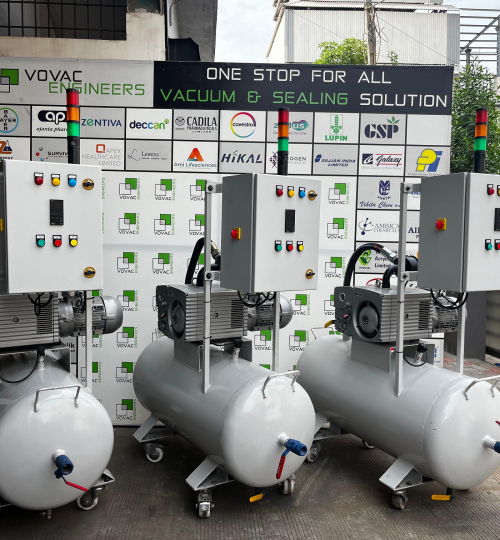
Water pumps are essential components of residential, agricultural, commercial, and industrial systems across the United States. They support drinking water supply, irrigation, HVAC circulation, wastewater management, fire protection, and countless other applications. Because these systems often operate continuously or under high demand, water pump service plays a critical role in maintaining efficiency, reliability, and safety.
Without routine servicing, water pumps can experience performance decline, mechanical failure, reduced pressure output, and increased energy consumption. In regions where water systems are essential for daily living and economic activity, proper maintenance is not optional—it is a necessary operational practice. This comprehensive guide explains the importance of water pump service, outlines inspection procedures, identifies common problems, and discusses preventive strategies relevant to U.S. operating conditions.
Understanding the Role of Water Pump Service
Water pump service refers to the inspection, maintenance, repair, and performance evaluation of water pumping systems. It ensures that pumps function within design specifications and maintain consistent flow and pressure levels.
Across the United States, water pumps are exposed to a variety of environmental and operational conditions. Rural well systems operate differently from municipal distribution pumps, and industrial circulation systems face different stresses than residential sump pumps. Regardless of the application, structured water pump service offers several key benefits:
-
Ensures stable water pressure
-
Prevents unexpected breakdowns
-
Extends equipment lifespan
-
Reduces energy consumption
-
Maintains water quality
-
Supports compliance with local plumbing and safety codes
A proactive service schedule reduces the risk of costly emergency repairs and system downtime.
Common Types of Water Pumps in the United States
Water pump service requirements vary depending on pump type and application. The most common systems include:
Centrifugal Pumps
These are widely used in commercial buildings, irrigation systems, and municipal water supply networks. They rely on rotating impellers to move water efficiently.
Service Focus: Impeller inspection, seal replacement, and bearing monitoring.
Submersible Pumps
Frequently installed in residential wells and wastewater systems, submersible pumps operate underwater and are sealed to prevent moisture intrusion.
Service Focus: Motor integrity, cable inspection, and seal condition.
Booster Pumps
Booster pumps increase water pressure in high-rise buildings or homes with low municipal pressure.
Service Focus: Pressure switch calibration and motor performance monitoring.
Sump Pumps
Common in flood-prone regions, sump pumps remove groundwater from basements and crawl spaces.
Service Focus: Float switch functionality, discharge line inspection, and debris removal.
Each pump type demands tailored maintenance practices, but the overall principles of water pump service remain consistent.
Core Components Inspected During Water Pump Service
Effective water pump service includes evaluation of several critical components:
Impeller
The impeller drives water flow. Debris accumulation, corrosion, or wear can reduce efficiency.
Maintenance Action: Clean or replace worn impellers to maintain proper flow rates.
Mechanical Seals and Gaskets
Seals prevent water leakage and protect internal components.
Maintenance Action: Inspect for cracking or deterioration and replace when necessary.
Bearings
Bearings support the rotating shaft and reduce friction. Excessive vibration often signals bearing wear.
Maintenance Action: Lubricate where applicable and replace damaged bearings promptly.
Motor
The electric motor powers the pump and must operate within specified voltage and amperage limits.
Maintenance Action: Check electrical connections, inspect for overheating, and verify proper grounding.
Pressure Tank and Switches
In residential systems, pressure tanks regulate cycling frequency and maintain consistent water pressure.
Maintenance Action: Test pressure settings and adjust or replace faulty switches.
Establishing a Preventive Water Pump Service Schedule
A preventive maintenance plan is the foundation of reliable water pump service. While service intervals depend on usage levels and environmental conditions, a general schedule may include:
Monthly Monitoring
-
Listen for unusual noise
-
Check for visible leaks
-
Confirm steady water pressure
-
Observe system cycling patterns
Quarterly Inspection
-
Examine electrical connections
-
Inspect intake screens and filters
-
Verify proper pressure tank performance
-
Test flow rates
Biannual Maintenance
-
Inspect impeller and seals
-
Check alignment and mounting stability
-
Evaluate motor efficiency
-
Clean internal components if accessible
Annual Service
-
Conduct comprehensive inspection
-
Replace worn components
-
Flush systems if necessary
-
Review performance logs
High-demand systems in agriculture or industrial settings may require more frequent service intervals.
Common Problems Identified During Water Pump Service
Routine water pump service often reveals early-stage issues that can be addressed before major failure occurs.
Reduced Water Pressure
Clogged impellers, worn components, or pressure tank malfunctions can limit performance.
Resolution: Clean internal passages and recalibrate pressure systems.
Short Cycling
If a pump turns on and off frequently, it may indicate pressure tank issues or faulty switches.
Resolution: Inspect air bladder levels and adjust switch settings.
Overheating
Insufficient ventilation, electrical imbalance, or excessive load can cause motor overheating.
Resolution: Improve airflow and verify electrical supply stability.
Excessive Noise or Vibration
Loose mounting, worn bearings, or misalignment may cause vibration.
Resolution: Tighten mounting hardware and replace worn mechanical parts.
Early intervention through water pump service prevents costly system damage.
Regional Considerations Across the United States
Water pump service requirements vary significantly by geographic region.
Cold Climate States
In northern regions, freezing temperatures can damage exposed pipes and pump housings.
Service Consideration: Winterize systems by draining exposed lines and insulating components.
Coastal Areas
Salt exposure accelerates corrosion of external metal components.
Service Consideration: Inspect for rust and apply protective coatings when necessary.
Arid and Dusty Regions
Desert environments may introduce airborne debris into motor ventilation systems.
Service Consideration: Clean ventilation openings regularly.
Flood-Prone Zones
Areas susceptible to heavy rainfall require reliable sump pump operation.
Service Consideration: Test systems before storm seasons and ensure backup power sources function properly.
Adapting water pump service strategies to regional conditions improves long-term reliability.
Energy Efficiency and Operational Cost Control
Energy efficiency is a growing concern for both homeowners and industrial operators. Pumps operating with worn components or improper alignment consume more electricity.
Effective water pump service improves efficiency by:
-
Reducing mechanical friction
-
Maintaining proper flow paths
-
Ensuring motor performance
-
Preventing unnecessary cycling
Lower energy consumption translates into reduced utility costs and supports environmental sustainability goals.
Safety Considerations During Water Pump Service
Safety is a vital aspect of water pump service. Pumps involve electrical components and pressurized water systems.
Proper procedures include:
-
Disconnecting electrical power before servicing
-
Depressurizing systems prior to disassembly
-
Wearing protective equipment
-
Following local plumbing and electrical codes
Adhering to safety standards protects both technicians and property owners.
The Importance of Documentation and Monitoring
Maintaining service records enhances long-term system management. Records should include:
-
Inspection dates
-
Replaced parts
-
Observed performance trends
-
Pressure readings and electrical measurements
Advanced monitoring tools, such as pressure sensors and automated alerts, help identify irregularities before visible symptoms occur. Predictive approaches strengthen overall water pump service strategies.
Long-Term Benefits of Consistent Water Pump Service
When performed regularly, water pump service provides measurable long-term advantages:
-
Extended equipment lifespan
-
Fewer emergency repairs
-
Consistent water pressure
-
Improved system safety
-
Reduced operational costs
Preventive maintenance is generally more cost-effective than emergency repair or full system replacement.
Conclusion
Water pump service is an essential practice for maintaining reliable water systems throughout the United States. Whether supporting residential wells, commercial buildings, agricultural irrigation, or industrial processes, pumps must operate efficiently to meet daily demands.
By implementing structured maintenance schedules, inspecting key components, and adapting service practices to regional conditions, property owners and facility managers can ensure long-term system performance. Routine water pump service protects investments, improves energy efficiency, and reduces the risk of unexpected failures.
In a country where dependable water infrastructure is fundamental to everyday life and economic productivity, consistent water pump service remains a critical element of responsible system management.

 English
 Arabic
 French
 Spanish
 Portuguese
 Deutsch
 Turkish
 Dutch
Dutch
 Italiano
 Russian
 Portuguese (Brazil)
 Greek
Greek