


 Leader Board
Spot Welding Equipment: Essential Guide for Modern Manufacturing
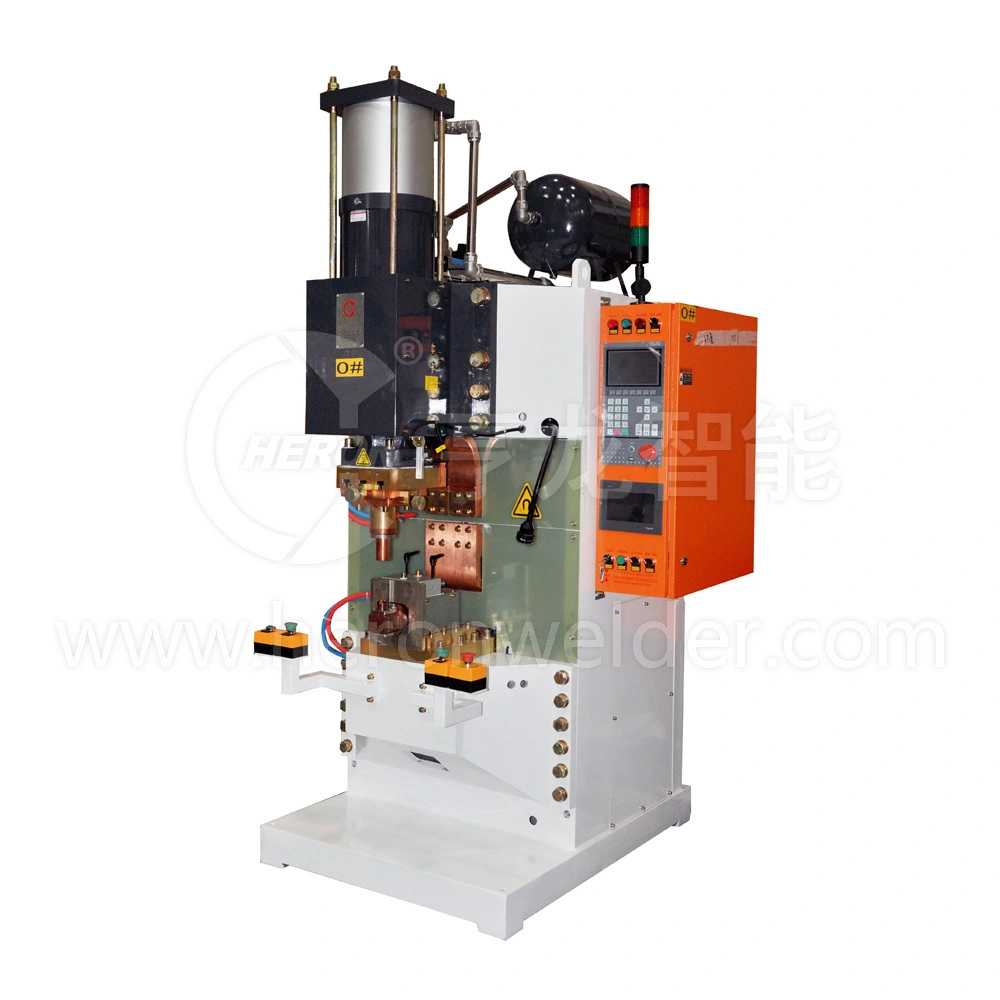
In today’s fast-paced industrial landscape, efficient metal-joining solutions are critical for OEMs, manufacturing engineers, and automation integrators.
Spot welding equipment has emerged as a cornerstone of reliable, high-speed production, offering precision, repeatability, and cost-effective joining for a wide range of sheet metal applications. At Heron Welder, we specialize in advanced spot welding machines and automated production solutions that meet the demands of modern factories while ensuring quality and efficiency.
What Is Spot Welding and How Does It Work?
Spot welding is a type of resistance welding where metal sheets are joined by applying heat generated from electrical resistance at specific points. The process involves:
-
Electrode Application – Copper electrodes clamp the metal sheets together.
-
Electric Current Flow – A high current passes through the electrodes, creating localized heat at the contact point.
-
Formation of Weld Nugget – The heat melts the metal at the interface, forming a strong weld nugget.
-
Cooling and Solidification – Once the current stops, the weld solidifies under pressure, resulting in a durable joint.
This process is particularly effective for thin sheet metals commonly used in automotive, electronics, and appliance manufacturing.
Key Advantages of Spot Welding Equipment
Investing in modern spot welding machines provides multiple benefits for industrial production:
-
High Productivity: Fast cycle times allow multiple welds per second, optimizing throughput.
-
Consistent Quality: Automated controls ensure uniform weld strength and precise nugget formation.
-
Minimal Material Distortion: Localized heating reduces thermal impact on surrounding metal.
-
Versatility: Suitable for various metals, including steel, stainless steel, and aluminum alloys.
-
Integration-Friendly: Easily incorporated into automated production lines for assembly optimization.
At Heron Welder, our machines are designed to maximize these advantages, providing robust solutions for complex manufacturing challenges.
Types of Spot Welding Equipment
Understanding the right spot welding equipment for your production is essential. Heron offers a comprehensive range:
1. Standard Spot Welding Machines
Ideal for general sheet metal fabrication, these machines are suitable for automotive panels, electrical enclosures, and industrial appliances.
2. MFDC Spot Welders
Medium-Frequency Direct Current (MFDC) machines deliver precise, energy-efficient welding for thin metals and sensitive materials, ensuring minimal distortion and superior weld consistency.
3. Capacitor Discharge Spot Welders
Perfect for fast-paced or high-volume production, capacitor discharge units are excellent for small components and thin-gauge metals where rapid energy delivery is critical.
4. Automated Spot Welding Systems
Integrated with robotic arms and conveyor systems, these setups allow fully automated welding in large-scale production, providing unmatched speed, repeatability, and safety.
Heron’s lineup ensures manufacturers can choose equipment tailored to their materials, production volume, and automation level.
Applications of Spot Welding in Manufacturing
Spot welding is widely used across industries where high-strength, precise joints are essential:
-
Automotive Industry: Welding car body panels, chassis components, and battery enclosures.
-
Electrical Appliances: Joining metal frames, enclosures, and panels for home and industrial devices.
-
Aerospace & Electronics: Securing lightweight alloys and precision components.
-
Metal Furniture & Industrial Equipment: Durable sheet metal assemblies with minimal finishing requirements.
By selecting the right spot welding equipment, manufacturers can ensure production reliability and reduce post-weld finishing costs.
Best Practices for Spot Welding
To maximize efficiency and weld quality, manufacturers should follow these best practices:
-
Material Preparation: Ensure clean, flat metal surfaces free of coatings or contaminants.
-
Proper Electrode Maintenance: Regularly dress and replace electrodes to maintain uniform welds.
-
Optimized Welding Parameters: Adjust current, pressure, and weld time according to material type and thickness.
-
Quality Monitoring: Use real-time sensors and inspection systems to track weld consistency.
-
Integration with Automation: Leverage robotic spot welding systems for repetitive, high-volume tasks to reduce labor and increase safety.
Heron Welder offers training and technical support to help manufacturers implement these practices seamlessly.
Spot Welding Equipment vs. Other Welding Methods
While other welding techniques like MIG, TIG, or laser welding have their place, spot welding offers unique advantages:
| Feature | Spot Welding | MIG/TIG Welding | Laser Welding |
|---|---|---|---|
| Speed | Very high | Moderate | High |
| Automation Integration | Excellent | Moderate | Excellent |
| Material Distortion | Low | Moderate | Very low |
| Suitable Thickness | Thin to medium | Medium to thick | Thin to thick |
| Production Volume | High | Low to medium | Medium to high |
For applications requiring high-speed, consistent welds on sheet metal, spot welding remains the most practical and cost-efficient option.
Why Choose Heron Welder for Spot Welding Solutions
Heron Welder has over two decades of experience designing and manufacturing industrial welding equipment. Our solutions are engineered for precision, reliability, and integration into modern automated production lines. Benefits of partnering with Heron include:
-
Customizable equipment tailored to your production needs.
-
Global support and service for maintenance and technical guidance.
-
Advanced automation-ready systems for efficiency and safety.
-
Expertise in MFDC, capacitor discharge, and traditional resistance welding technologies.
Whether upgrading existing lines or implementing fully automated systems, Heron ensures your spot welding operations are optimized for performance and cost-effectiveness.
FAQs About Spot Welding Equipment
Q1: Can spot welding be used on aluminum?
Yes, MFDC spot welding equipment is specifically designed for aluminum and other non-ferrous metals, ensuring minimal distortion and strong welds.
Q2: How thick can the metal be for spot welding?
Standard spot welding is effective for sheet metals up to 6 mm thick, while MFDC and specialized systems can handle slightly thicker materials.
Q3: How often should electrodes be replaced?
Electrode wear depends on usage and material type. Regular inspection and dressing every few thousand welds maintain consistent quality.
Q4: Is spot welding compatible with automated production lines?
Absolutely. Heron’s robotic and conveyor-integrated spot welding systems provide precise, high-speed automation for large-scale manufacturing.
Q5: What maintenance is required for spot welding equipment?
Routine cleaning, electrode inspection, and parameter calibration ensure long-term performance and consistent weld quality.
Take Your Manufacturing to the Next Level
Optimizing your production with advanced spot welding equipment can significantly improve throughput, consistency, and cost efficiency. At Heron Welder, we combine decades of expertise with cutting-edge technology to provide reliable, automated, and customizable welding solutions.
Contact us today to request a quote or consult our engineers about a spot welding system tailored to your factory’s needs. Let Heron help you achieve precision, speed, and quality in every weld.

 English
 Arabic
 French
 Spanish
 Portuguese
 Deutsch
 Turkish
 Italiano
 Russian
 Romaian
 Portuguese (Brazil)
 Greek
Greek