


 Leader Board
A Data-Driven Approach to Employee Wellness with Neurotechnology
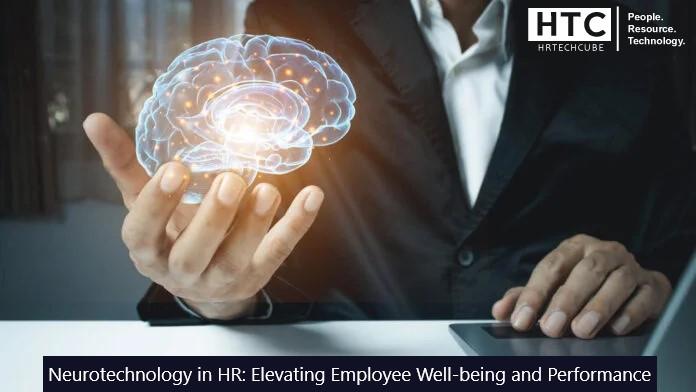
In recent years, the world of Human Resources (HR) has seen significant advancements due to technology. One of the most exciting innovations is the integration of neurotechnology in HR, which is revolutionizing the way organizations monitor and enhance employee well-being and performance. This cutting-edge technology, which leverages insights from neuroscience, provides companies with tools to better understand employees' mental and emotional states, ultimately fostering a more supportive and productive work environment.
Introduction to Neurotechnology in HR
Neurotechnology refers to the tools and techniques that use neuroscience principles to analyze brain activity, behavior, and emotional responses. When applied to HR, this technology helps businesses gain a deeper understanding of employees' cognitive processes, allowing them to improve both well-being and performance. By tracking neural responses, neurotechnology enables organizations to provide targeted interventions for stress management, mental health, and performance optimization. This innovative technology not only supports individual employee development but also contributes to creating a healthier and more productive workplace.
Understanding Neurotechnology and Its Role in Employee Well-being
Neurotechnology significantly contributes to employee well-being by detecting signs of stress, burnout, and anxiety that may not be immediately visible through traditional HR methods. With the help of wearables and brainwave monitoring devices, organizations can gather real-time insights into employees' mental states, allowing them to address well-being concerns before they become serious problems. These technologies can track physiological signals like heart rate variability, brainwave patterns, and sleep quality, all of which are critical for maintaining optimal mental health. By identifying early signs of mental strain, businesses can implement proactive measures to prevent burnout, reduce stress, and enhance overall well-being.
Benefits of Neurotechnology for Employee Performance
In addition to improving employee well-being, neurotechnology is instrumental in boosting performance. By understanding the cognitive states of employees, organizations can create tailored interventions that promote focus, creativity, and productivity. For example, brain training applications can be used to enhance attention span, problem-solving abilities, and cognitive flexibility. Furthermore, tracking neural responses during tasks helps HR professionals identify the best work environments that maximize efficiency and minimize cognitive fatigue. Ultimately, neurotechnology allows businesses to optimize performance by understanding the mental and emotional factors that influence how employees work and think.
Implementing Neurotechnology in HR Practices
To successfully integrate neurotechnology into HR practices, organizations must invest in the right tools and technologies, such as biometric wearables, brainwave scanners, or virtual reality (VR) environments designed to measure and improve cognitive abilities. Implementing these technologies into daily HR functions requires a thoughtful approach, ensuring that the data collected is used effectively. It's crucial that employees understand how these tools work and how their data will be utilized, maintaining transparency and trust throughout the process.
Moreover, HR teams should collaborate with neuroscience experts to interpret the collected data. This collaboration ensures that the insights gathered are used to design strategies that address specific challenges, such as stress management, mental fatigue, or motivation. By working together, HR professionals can craft personalized interventions that better support employee well-being and enhance performance.
Challenges and Ethical Considerations
Despite the vast potential of neurotechnology, its use in HR raises several challenges and ethical concerns. Privacy is one of the primary concerns, as neurotechnology involves collecting highly sensitive data related to brain activity and physiological responses. To address this, organizations must establish clear policies to protect employees' data and ensure that it is handled with the utmost care. Employees should be given the option to opt in or out of using neurotechnology, and informed consent must always be obtained before any data is collected.
Another issue is the potential for bias in interpreting neurodata. It's essential that HR professionals are trained to understand the complexities of the data and avoid making decisions based on incomplete or skewed information. Data interpretation should be objective, and efforts must be made to ensure fairness and equity in how neurotechnology is applied in the workplace.
For More Info: https://hrtechcube.com/neurotechnology-in-hr-employee-wellbeing-performance/
Conclusion
The integration of neurotechnology in HR offers immense potential to improve employee well-being and performance. By utilizing advanced tools that track brain activity and emotional responses, HR professionals can gain valuable insights into employees' mental and emotional states, enabling them to offer better support and create a more positive work environment. As the technology continues to evolve, it's essential for organizations to address privacy concerns and ethical considerations to ensure that employees' data is protected and used responsibly. Embracing neurotechnology not only supports individual employee development but also contributes to a more holistic and effective approach to workforce management.
In recent years, the world of Human Resources (HR) has seen significant advancements due to technology. One of the most exciting innovations is the integration of neurotechnology in HR, which is revolutionizing the way organizations monitor and enhance employee well-being and performance. This cutting-edge technology, which leverages insights from neuroscience, provides companies with tools to better understand employees' mental and emotional states, ultimately fostering a more supportive and productive work environment.
Introduction to Neurotechnology in HR
Neurotechnology refers to the tools and techniques that use neuroscience principles to analyze brain activity, behavior, and emotional responses. When applied to HR, this technology helps businesses gain a deeper understanding of employees' cognitive processes, allowing them to improve both well-being and performance. By tracking neural responses, neurotechnology enables organizations to provide targeted interventions for stress management, mental health, and performance optimization. This innovative technology not only supports individual employee development but also contributes to creating a healthier and more productive workplace.
Understanding Neurotechnology and Its Role in Employee Well-being
Neurotechnology significantly contributes to employee well-being by detecting signs of stress, burnout, and anxiety that may not be immediately visible through traditional HR methods. With the help of wearables and brainwave monitoring devices, organizations can gather real-time insights into employees' mental states, allowing them to address well-being concerns before they become serious problems. These technologies can track physiological signals like heart rate variability, brainwave patterns, and sleep quality, all of which are critical for maintaining optimal mental health. By identifying early signs of mental strain, businesses can implement proactive measures to prevent burnout, reduce stress, and enhance overall well-being.
Benefits of Neurotechnology for Employee Performance
In addition to improving employee well-being, neurotechnology is instrumental in boosting performance. By understanding the cognitive states of employees, organizations can create tailored interventions that promote focus, creativity, and productivity. For example, brain training applications can be used to enhance attention span, problem-solving abilities, and cognitive flexibility. Furthermore, tracking neural responses during tasks helps HR professionals identify the best work environments that maximize efficiency and minimize cognitive fatigue. Ultimately, neurotechnology allows businesses to optimize performance by understanding the mental and emotional factors that influence how employees work and think.
Implementing Neurotechnology in HR Practices
To successfully integrate neurotechnology into HR practices, organizations must invest in the right tools and technologies, such as biometric wearables, brainwave scanners, or virtual reality (VR) environments designed to measure and improve cognitive abilities. Implementing these technologies into daily HR functions requires a thoughtful approach, ensuring that the data collected is used effectively. It's crucial that employees understand how these tools work and how their data will be utilized, maintaining transparency and trust throughout the process.
Moreover, HR teams should collaborate with neuroscience experts to interpret the collected data. This collaboration ensures that the insights gathered are used to design strategies that address specific challenges, such as stress management, mental fatigue, or motivation. By working together, HR professionals can craft personalized interventions that better support employee well-being and enhance performance.
Challenges and Ethical Considerations
Despite the vast potential of neurotechnology, its use in HR raises several challenges and ethical concerns. Privacy is one of the primary concerns, as neurotechnology involves collecting highly sensitive data related to brain activity and physiological responses. To address this, organizations must establish clear policies to protect employees' data and ensure that it is handled with the utmost care. Employees should be given the option to opt in or out of using neurotechnology, and informed consent must always be obtained before any data is collected.
Another issue is the potential for bias in interpreting neurodata. It's essential that HR professionals are trained to understand the complexities of the data and avoid making decisions based on incomplete or skewed information. Data interpretation should be objective, and efforts must be made to ensure fairness and equity in how neurotechnology is applied in the workplace.
For More Info: https://hrtechcube.com/neurotechnology-in-hr-employee-wellbeing-performance/
Conclusion
The integration of neurotechnology in HR offers immense potential to improve employee well-being and performance. By utilizing advanced tools that track brain activity and emotional responses, HR professionals can gain valuable insights into employees' mental and emotional states, enabling them to offer better support and create a more positive work environment. As the technology continues to evolve, it's essential for organizations to address privacy concerns and ethical considerations to ensure that employees' data is protected and used responsibly. Embracing neurotechnology not only supports individual employee development but also contributes to a more holistic and effective approach to workforce management.

 English
 Arabic
 French
 Spanish
 Portuguese
 Turkish
 Dutch
Dutch
 Italiano
 Russian
 Romaian
 Portuguese (Brazil)
 Greek
Greek